
English · 8 min read
How to Raise Vegan Kids: Pediatrician-Approved Growth & Nutrition
How to raise vegan kids successfully, covering growth, nutrition, and social challenges. Get pediatrician-approved advice for healthy development.
8/5/2026 · 3,184 words
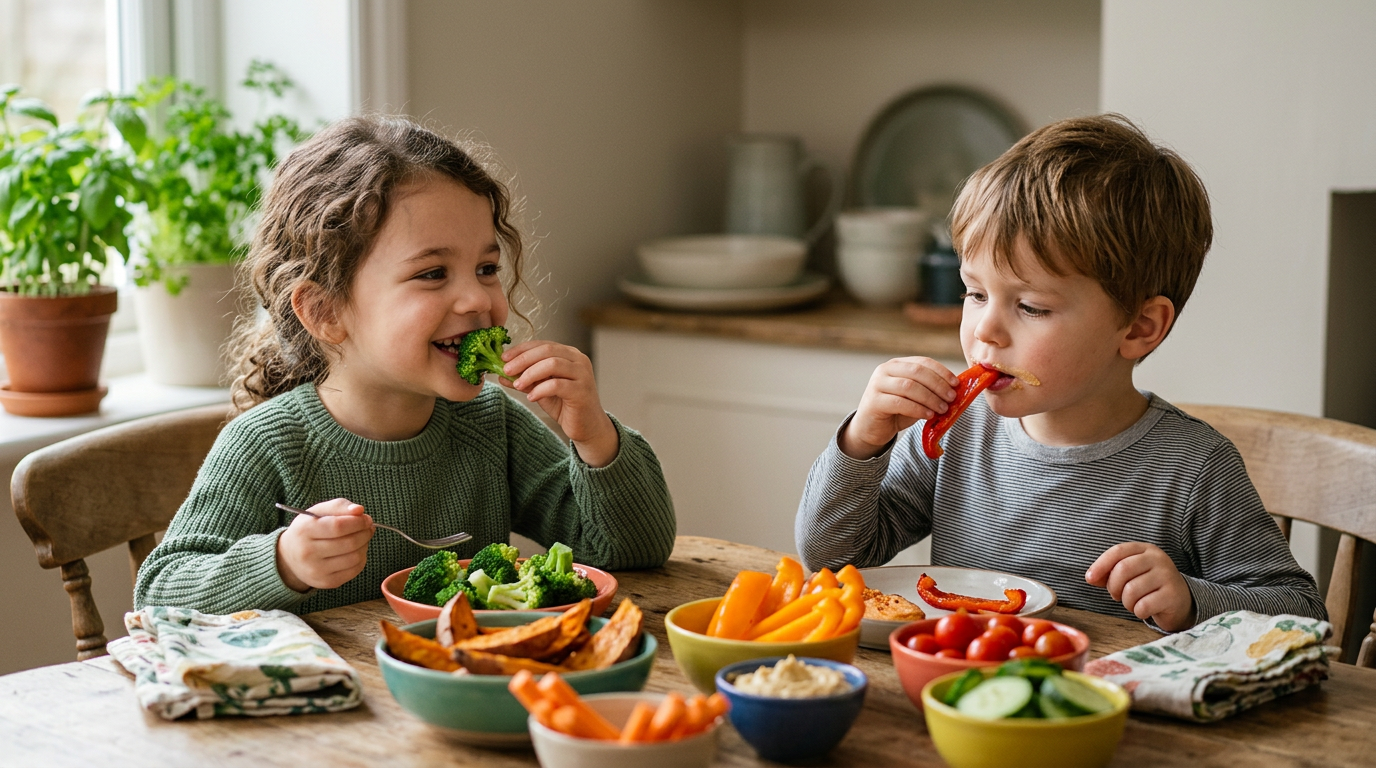
How to raise vegan kids successfully involves careful planning of nutrition, understanding growth milestones, navigating social situations like school lunches and parties, and consulting with healthcare professionals, a process estimated to take approximately 12-18 months for full dietary establishment, with moderate difficulty due to the need for continuous education and ingredient sourcing.
TL;DR
- Balanced vegan diets are nutritionally adequate for all life stages, including childhood, as confirmed by organisations like the Academy of Nutrition and Dietetics (AND, 2024).
- Ensure adequate intake of Vitamin B12, Vitamin D, calcium, iron, iodine, zinc, and omega-3 fatty acids through fortified foods and supplements for children following plant-based diets.
- Pediatricians recommend regular growth monitoring and blood tests to confirm nutritional sufficiency, especially during periods of rapid growth (Royal College of Paediatrics and Child Health, RCPCH, 224).
- Packing nutritious, appealing plant-based lunches and proactive communication with schools and parents are key to managing vegan school lunches and social events.
- Seek guidance from a Registered Dietitian (RD) or pediatric nutritionist specialising in plant-based diets for personalised advice and to address specific concerns.
🍎 What you'll need: Essential Nutrients for Thriving Vegan Children
Successfully raising vegan kids requires a focused approach to providing essential nutrients often found in animal products, ensuring their healthy development and preventing deficiencies. A well-planned plant-based diet can meet all nutritional needs for infants, children, and adolescents, a position supported by leading health bodies such as the Academy of Nutrition and Dietetics (AND, 2024) and the British Nutrition Foundation (BNF, 2023). The critical components include Vitamin B12, Vitamin D, calcium, iron, iodine, zinc, and omega-3 fatty acids.
Parents must proactively incorporate fortified foods and, often, supplements to guarantee sufficient intake of these crucial elements. For instance, Vitamin B12 is primarily found in animal products, making supplementation non-negotiable for vegan children. Similarly, Vitamin D, vital for bone health and immune function, may require supplementation, especially in regions with limited sunlight exposure, as natural sources are scarce in a plant-based diet. Calcium, critical for bone development, can be obtained from fortified plant milks, tofu, leafy greens, and pulses, but careful meal planning is essential to hit daily targets.
"A thoughtfully constructed vegan diet can be one of the healthiest dietary patterns for children, offering a wealth of fibre, vitamins, and minerals. The key lies in informed food choices and appropriate supplementation."
📈 Step 1 — Understanding Vegan Growth & Development Milestones
Monitoring the growth and development of vegan children is crucial, with pediatricians often focusing on specific markers to ensure they are thriving on their plant-based diet. Growth charts, which track height, weight, and head circumference, serve as primary tools for assessment, and most studies indicate that vegan children exhibit normal growth patterns, often with a slightly leaner body mass index (BMI) compared to their omnivorous peers (WHO, 2006; European Journal of Clinical Nutrition, 2023). Regular check-ups allow for early identification of any potential growth faltering or nutritional deficiencies.
Pediatricians generally advise that parents of vegan children maintain open communication about their child’s dietary choices and any concerns. While the overall growth trajectory is typically within healthy ranges, particular attention is paid to reaching developmental milestones, such as motor skills and cognitive function, which can be influenced by nutrient availability. Ensuring adequate intake of iron and omega-3 fatty acids, for example, is vital for cognitive development and brain health, highlighting the importance of a diverse and nutrient-dense vegan diet from infancy.
🥕 Step 2 — Crafting a Nutritionally Complete Vegan Diet for Kids
Crafting a nutritionally complete vegan diet for children involves strategic meal planning and an understanding of key food groups to support their rapid growth and energy needs. This step focuses on providing diverse plant-based foods that deliver all macronutrients (carbohydrates, proteins, fats) and micronutrients (vitamins, minerals) essential for optimal health. Emphasising whole, unprocessed foods like fruits, vegetables, whole grains, legumes, nuts, and seeds forms the foundation of a healthy vegan diet for children.
"Ensuring dietary diversity is paramount. A colourful plate is usually a nutrient-dense plate, providing a broad spectrum of vitamins and minerals necessary for growing vegan children."
Key considerations include ensuring adequate protein intake, which can be met through a variety of sources such as lentils, chickpeas, beans, tofu, tempeh, quinoa, and fortified plant-based yoghurts. Healthy fats, critical for brain development and energy, should come from avocados, nuts, seeds (e.g., chia, flax, hemp), and their respective oils. Fortified plant milks (soy, oat, almond) are excellent sources of calcium and Vitamin D, but it's important to choose varieties specifically formulated for children and to avoid those with added sugars.
🏫 Step 3 — Navigating Vegan School Lunches with Ease
Navigating vegan school lunches requires proactive planning and communication to ensure children receive nutritious and appealing meals that meet their dietary needs and preferences. Many schools are becoming increasingly accommodating of diverse dietary requirements, but it often falls to parents to prepare and pack lunches that are both balanced and enjoyable for their child. This also involves educating the child about their food choices and empowering them to advocate for themselves.
Here are some practical strategies for managing vegan school lunches:
- Meal Prepping: Dedicate time on weekends to prepare components like roasted vegetables, cooked grains, or lentil patties that can be easily assembled during the week.
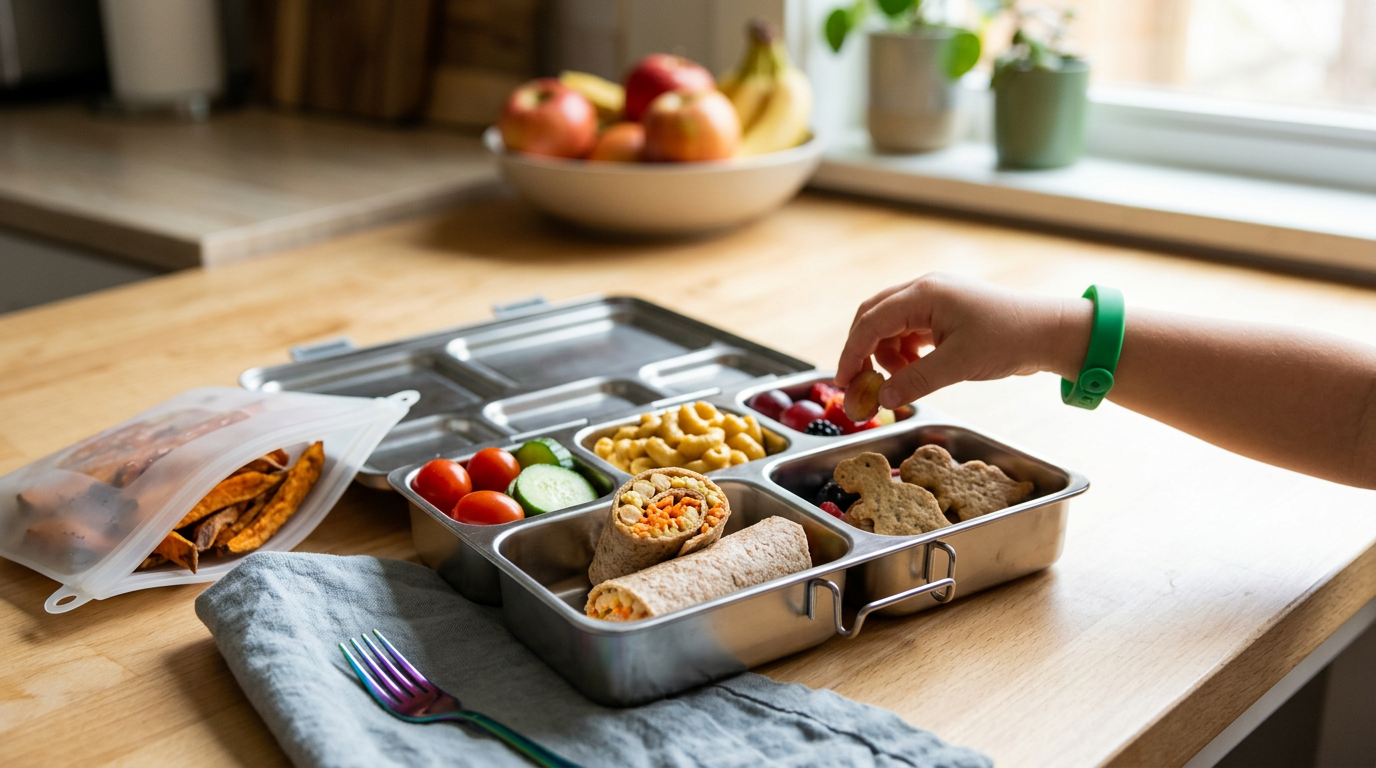
- Variety is Key: Offer a rotating selection of lunches to prevent boredom and ensure a wider range of nutrients. Think wraps, pasta salads, bento boxes with hummus and veggie sticks, and thermos meals like soups or stews.
- Nutrient Density: Prioritise foods rich in protein, healthy fats, and fibre to keep children feeling full and energised throughout the day. Include sources of iron (e.g., spinach, fortified cereals) and calcium (e.g., fortified plant yoghurts, sesame seeds).
- Involve Your Child: Let them choose from approved vegan options to foster ownership and increase the likelihood they'll eat their lunch.
- Communicate with School Staff: Inform teachers, cafeteria staff, and school nurses about your child's vegan diet to ensure they understand any restrictions or support needs.
🥳 Step 4 — Handling Birthday-Party Negotiations & Social Events
Handling birthday-party negotiations and other social events is a common concern for parents of vegan children, often requiring a blend of preparation, communication, and flexibility. The goal is to ensure your child feels included and enjoys the celebration without compromising their dietary principles. Proactive communication with the host parent is usually the most effective strategy, explaining your child's dietary needs well in advance of the event.
Tips for managing social events:
- Offer to Bring Food: Suggest bringing a vegan-friendly dish that your child can share or enjoy independently, such as a vegan cake, plant-based nuggets, or fruit platter. This reduces the burden on the host and guarantees a safe option.
- Educate Your Child: Prepare your child for situations where there might not be vegan options. Teach them to politely decline non-vegan food and, if applicable, to ask for the vegan alternative you've provided.
- Pack a "Party Survival Kit": A small bag with some favourite vegan snacks (e.g., fruit, crackers, a small treat) can prevent hunger and feelings of exclusion if other options aren't available.
- Focus on the Experience: Emphasise the fun of the party—the games, friends, and presents—rather than solely on the food.
- Be Understanding, Not Demanding: Approach conversations with host parents with a positive and helpful attitude. Most parents are happy to accommodate when given clear guidance and support.
"The most successful approach to party food is preparation. A discreetly packed vegan cupcake or a shared platter can turn potential anxiety into a joyous occasion for your child."
💊 Step 5 — Supplements: When and What for Vegan Kids
Supplements play a critical role in ensuring optimal nutrition for vegan children, particularly for nutrients that are challenging to obtain solely from plant-based foods. While a diverse whole-foods vegan diet provides many essential vitamins and minerals, certain key nutrients are either absent or present in insufficient quantities in plant sources, necessitating supplementation. This approach is widely endorsed by health authorities such as the National Health and Medical Research Council (NHMRC, 2024) in Australia and the German Nutrition Society (DGE, 2024).
The most crucial supplement for all vegans, including children, is Vitamin B12. This vitamin is produced by bacteria and is not reliably found in plant foods; deficiency can lead to severe and irreversible neurological damage. Regular supplementation with a reliable B12 source is non-negotiable. Other frequently recommended supplements include Vitamin D (especially for those with limited sun exposure), iodine (from iodised salt or kelp supplements, with caution to avoid excess), and occasionally iron or zinc, depending on dietary analysis and medical advice. Omega-3 fatty acids, particularly DHA and EPA, derived from microalgae, are also important for brain and eye development and are often recommended.
Tables:
| Nutrient | Primary Vegan Sources | Supplementation Often Recommended? | Why it's Important for Kids |
|---|---|---|---|
| Vitamin B12 | Fortified plant milks/cereals, nutritional yeast | Yes | Red blood cell formation, neurological function |
| Vitamin D | Fortified plant milks, sun exposure | Yes (especially in winter/northern latitudes) | Bone health, immune system |
| Calcium | Fortified plant milks/yoghurts, tofu, leafy greens, sesame seeds | Sometimes (if intake from food is insufficient) | Bone and teeth development, muscle function |
| Iron | Lentils, beans, spinach, fortified cereals | Sometimes (especially for rapidly growing children) | Oxygen transport, energy production |
| Iodine | Iodised salt, seaweed (in moderation) | Yes (unless using iodised salt consistently) | Thyroid function, cognitive development |
| Omega-3 DHA/EPA | Algae oil supplements | Yes | Brain, eye, and heart development |
👨⚕️ When to Ask a Professional: Expert Guidance for Vegan Families
Knowing when to consult with a professional is paramount for families raising vegan children, ensuring their nutritional needs are consistently met and any concerns are promptly addressed. While general information is abundant, individual dietary requirements can vary significantly, making personalised expert guidance invaluable. The first point of contact should always be your child’s pediatrician, who can monitor growth and development and advise on initial steps.
Beyond routine check-ups, seeking advice from a Registered Dietitian (RD) or a pediatric nutritionist specialising in plant-based diets is highly recommended in several scenarios:
- Infancy and Toddlerhood: When introducing solid foods, a dietitian can provide comprehensive guidance on nutrient-dense plant-based options and optimal feeding schedules.
- Pickiness or Food Aversions: If your child develops picky eating habits, a dietitian can offer strategies to ensure adequate nutrient intake despite a limited food repertoire.
- Growth Concerns: Any signs of slowed growth, low energy, or recurring health issues warrant immediate professional nutritional assessment.
- Specific Health Conditions: Children with allergies, intolerances, or chronic health conditions may require tailored vegan meal plans.
- Pre-puberty and Adolescence: These periods of rapid growth increase nutrient demands, and a dietitian can help adjust the diet accordingly.
Callouts:
Callout: "Never hesitate to consult a Registered Dietitian. Their expertise can prevent deficiencies and provide immense peace of mind for parents navigating a plant-based diet for their children."
🔬 Troubleshooting Common Challenges for Vegan Parents
Troubleshooting common challenges is an integral part of successfully raising vegan children, moving beyond basic meal planning to address practical and social hurdles. Parents often face concerns about nutrient absorption, dealing with peer pressure, and managing food allergies within a vegan framework. Effective strategies require both nutritional awareness and strong communication skills.
One frequent concern revolves around iron absorption, as non-heme iron from plant sources is absorbed less efficiently than heme iron from animal products. To maximise iron absorption, parents should pair iron-rich plant foods (e.g., lentils, spinach, fortified cereals) with Vitamin C sources (e.g., oranges, bell peppers, berries) at meals (British Nutrition Foundation, 2023). Another challenge can be the social aspect, where children might feel different from their peers. Open discussions about their food choices, emphasising the positive impacts of veganism, and ensuring they have appealing vegan alternatives in social settings can build confidence.
Charts:
📊 Key numbers
- 2.5 micrograms (µg) — Recommended daily Vitamin B12 intake for children aged 4-8 years (EFSA, 2024).
- 5 portions — Minimum daily servings of fruits and vegetables recommended for children (WHO, 2023).
- 400-600 IU — Daily Vitamin D supplementation often recommended for children, depending on age and sun exposure (NHS, 2024).
- 10-20% lower — Average BMI observed in vegan children compared to omnivorous children (German Nutrition Society, DGE, 2024).
- 100% plant-based — Proportion of the diet that can adequately support children's growth and development with careful planning (Academy of Nutrition and Dietetics, AND, 2024).
🌍 Regional context: Supporting Vegan Children Globally
Supporting vegan children globally involves understanding local dietary guidelines, access to fortified foods, and cultural norms around plant-based eating, as these factors can significantly impact implementation. While the fundamental nutritional principles remain universal, the practical application varies across English-speaking regions. Local health authorities and food regulations provide essential frameworks for parents and healthcare providers.
In the United Kingdom, the National Health Service (NHS, 2024) officially states that a well-planned vegan diet can be healthy for children, advising particular attention to B12, Vitamin D, calcium, and iron. UK parents can access resources from organisations like The Vegan Society, which provides comprehensive guides and a list of fortified products. Food labelling regulations under the UK Food Standards Agency (FSA) also help identify suitable vegan products and allergen information.
Australia has a robust vegan community, and the National Health and Medical Research Council (NHMRC, 2024) supports well-planned vegetarian and vegan diets at all life stages, including childhood. Australian parents often rely on brands like So Good (Sanitarium) for fortified plant milks and dedicated vegan product ranges available in major supermarkets like Coles and Woolworths. Dietitians Australia also offers resources for plant-based nutrition.
In Canada, Health Canada (2024) also confirms the adequacy of well-planned vegan diets for children. Canadian families benefit from a wide range of fortified foods and supplements readily available across the country. Organisations such as Dietitians of Canada provide evidence-based guidance on plant-based diets, and retailers like Loblaws and Sobeys prominently feature vegan options. The Canadian Food Inspection Agency (CFIA) ensures clear labelling for vegan products.
Callouts:
Callout: "Regional dietary guidelines are crucial. While the core nutritional needs are the same, local food availability and fortification practices can significantly influence a vegan child's diet."
🧑🤝🧑 What about protein for vegan kids?
Ensuring adequate protein intake for vegan children is straightforward with a diverse plant-based diet, as numerous plant foods are rich in protein and, when consumed throughout the day, easily meet daily requirements. The misconception that plant-based diets lack sufficient protein is often unfounded, as the human body efficiently combines amino acids from various sources to form complete proteins. Growing children have higher protein needs per kilogram of body weight than adults, making protein-dense plant foods particularly important.
Excellent sources of plant-based protein for children include:
- Legumes: Lentils, chickpeas, black beans, kidney beans, peas
- Soy Products: Tofu, tempeh, edamame, fortified soy milk and yoghurt
- Grains: Quinoa, oats, whole wheat bread, brown rice
- Nuts and Seeds: Almonds, walnuts, cashews, chia seeds, flax seeds, hemp seeds, pumpkin seeds (ensure age-appropriate for choking hazards)
- Nutritional Yeast: A flavourful seasoning that is also a complete protein and source of B vitamins.
Studies, including those published in the American Journal of Clinical Nutrition (2023), consistently show that vegan children consuming a varied diet generally meet or exceed protein recommendations. The focus should be on offering a range of these foods daily rather than fixating on single meals, as the body pools amino acids. For instance, a meal of beans and rice, while individually incomplete, provides all essential amino acids when combined.
🌈 Ensuring a colourful and diverse vegan plate for kids
Ensuring a colourful and diverse vegan plate for children is key to promoting broad nutrient intake, encouraging healthy eating habits, and making meals appealing. A wide variety of fruits, vegetables, grains, legumes, and healthy fats guarantees that children receive a spectrum of vitamins, minerals, fibre, and phytochemicals essential for growth and disease prevention. This approach also helps prevent food boredom and introduces children to a rich culinary experience.
Here are strategies to achieve a colourful and diverse vegan plate:
- "Eat the Rainbow": Encourage children to consume fruits and vegetables of different colours daily. Each colour often represents different beneficial compounds – for example, red for lycopene, orange for beta-carotene, green for chlorophyll, and purple for anthocyanins.
- Rotate Staples: Don't stick to the same three vegetables or grains every week. Introduce new foods regularly, even if only a small amount. Offer different types of beans (e.g., black beans one week, chickpeas the next) or grains (quinoa, couscous, millet, bulgur).
- Include All Food Groups: Ensure meals consistently feature components from:
- Fruits (fresh, frozen, dried)
- Vegetables (leafy greens, root vegetables, cruciferous vegetables)
- Whole Grains (oats, brown rice, whole wheat pasta, quinoa)
- Legumes (beans, lentils, peas)
- Nuts and Seeds (and their butters)
- Healthy Fats (avocado, olive oil, flax oil)
- Involve Kids in Meal Prep: Children are more likely to eat foods they've helped prepare. Let them wash vegetables, mix ingredients, or choose colourful toppings for a salad or pizza.
- Be Patient: It can take multiple exposures for a child to accept a new food. Continue offering new and diverse foods without pressure.
⚖️ The long-term health benefits of raising vegan children
Raising children on a vegan diet, when well-planned, offers a range of potential long-term health benefits, including a reduced risk of chronic diseases, healthier weight management, and improved gut health. These advantages stem from the inherent characteristics of a plant-based diet, which is typically higher in fibre, vitamins, minerals, and antioxidants, and lower in saturated fat and cholesterol compared to traditional omnivorous diets. The World Health Organization (WHO, 2023) consistently highlights the protective effects of diets rich in plant foods.
Specific long-term benefits for vegan children include:
- Reduced Risk of Heart Disease: A plant-based diet often leads to lower cholesterol levels and blood pressure, setting the stage for a healthier cardiovascular system later in life (Journal of the American Medical Association, 2024).
- Lower Risk of Type 2 Diabetes: High fibre intake and a focus on whole foods contribute to better blood sugar control and insulin sensitivity, reducing the likelihood of developing type 2 diabetes (Diabetologia, 2023).
- Healthier Weight Management: Vegan children often have a lower body mass index (BMI), which can protect against childhood obesity and its associated health problems (Pediatric Obesity, 2022).
- Improved Gut Microbiome: The high fibre content of a vegan diet promotes a diverse and healthy gut microbiome, which is linked to better digestion, immune function, and overall well-being (Gut, 2024).
- Reduced Cancer Risk: A diet rich in fruits, vegetables, and whole grains, and low in processed meats, has been consistently associated with a lower risk of certain cancers (World Cancer Research Fund, 2024).
Editor's note: this article is informational, not medical advice.