
English · 8 min read
The 2026 Tracker: Sustainable Pet Food Policy by Country (UK, EU, CA, AU)
Explore the 2026 sustainable pet food policy tracker for insect, cultivated, and plant-based options in UK, EU, Canada & Australia. Learn about nutritional adequacy for dogs and cats and AAFCO trials.
8/20/2026 · 3,759 words
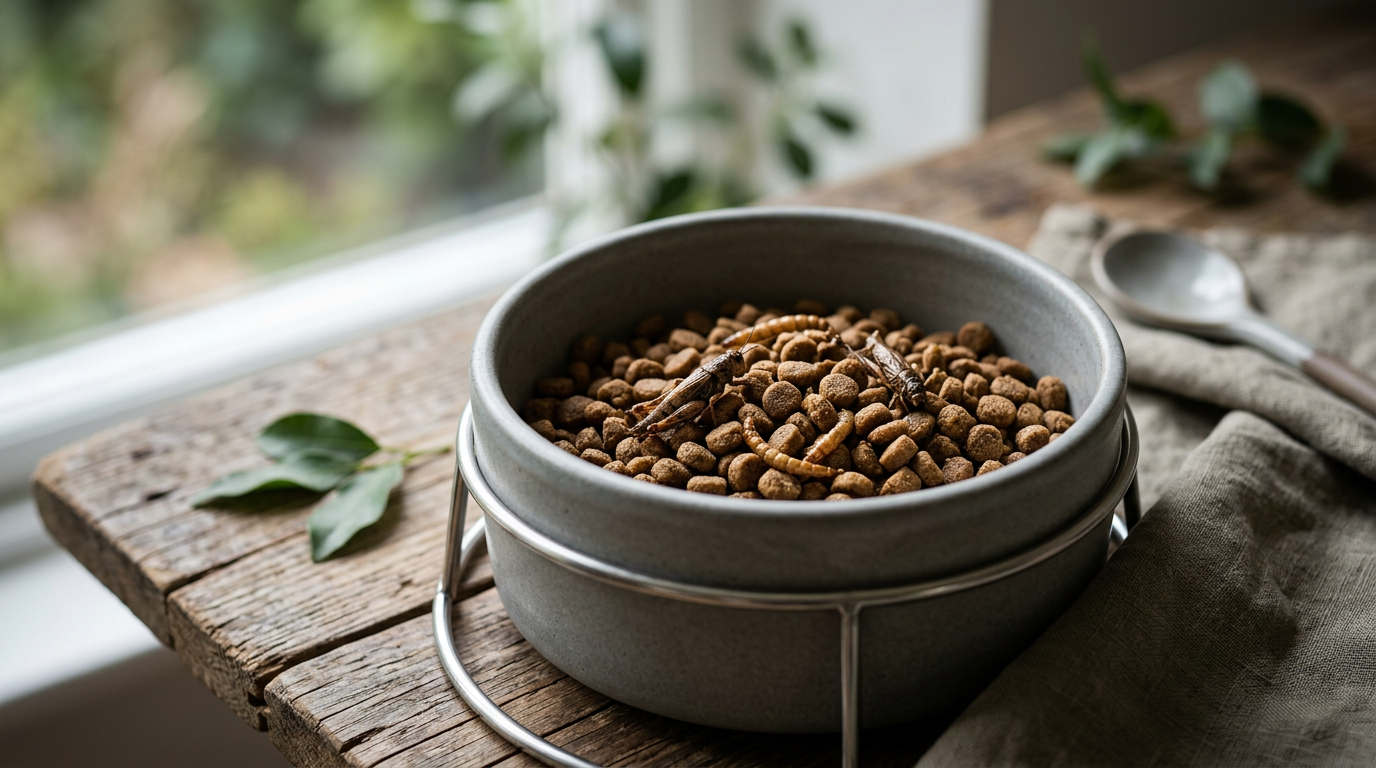
Feeding a dog sustainably in 2026 involves navigating a complex and evolving policy landscape across key regions, with the United Kingdom, European Union, Canada, and Australia making significant strides in regulating insect, cultivated, and plant-based pet food options.
TL;DR
- AAFCO (Association of American Feed Control Officials) has established nutrient profiles for dog and cat foods, providing a critical benchmark for nutritional adequacy regardless of protein source.
- Taurine supplementation is crucial for cats on plant-based or some novel protein diets, and often beneficial for dogs, to prevent conditions like dilated cardiomyopathy (EFSA, 2023).
- The global market for alternative pet proteins is projected to reach £1.2 billion by 2030, driven by consumer demand and environmental concerns (Barclays, 2021).
- Entomophagy-derived protein (insect protein) for pets has seen widespread regulatory approval across the EU and UK since 2021, leading to a surge in novel product development (EC, 2021).
- Cultivated meat for pet food is currently under rigorous safety and efficacy trials, with commercialisation expected to accelerate post-2026, pending national food safety agency approvals (e.g., FSA, CFIA).
🌍 The Global Push for Sustainable Pet Nutrition: Why Policy Matters
The drive to feeding a dog sustainably is no longer a niche concern but a global imperative, with policymakers recognising the environmental footprint of conventional pet food production. The livestock sector is a significant contributor to greenhouse gas emissions, land degradation, and water consumption, leading to an urgent need for alternative protein sources in the companion animal diet (Poore & Nemecek, Science 2018). Policy frameworks, therefore, are pivotal in ensuring that while we reduce our pets' pawprint, their nutritional adequacy remains paramount. This section explores the overarching policy landscape influencing the availability and acceptance of insect, cultivated, and plant-based pet foods across developed nations.
The shift towards alternative proteins is driven by both environmental sustainability goals and growing consumer awareness. According to the IPCC's Sixth Assessment Report (IPCC, 2021), reducing demand for animal products, where feasible, plays a role in mitigating climate change. This principle extends to pet food, where novel ingredients offer a pathway to lower environmental impact without compromising animal health. Regulatory bodies are tasked with balancing innovation, safety, and consumer confidence to facilitate this transition.
🇬🇧 United Kingdom — Progressing
Status: Progressing
The United Kingdom is actively progressing its regulatory framework to embrace diverse, sustainable pet food options, focusing on clear guidelines for insect, cultivated, and plant-based options. Following Brexit, the UK has largely mirrored European Union regulations initially but is now developing its own distinct, yet harmonised, approach to novel pet food ingredients, with a strong emphasis on evidence-based safety and nutritional validation by the Food Standards Agency (FSA) and the Department for Environment, Food & Rural Affairs (Defra).
"The UK is committed to fostering innovation in sustainable pet food, ensuring that novel ingredients meet the highest standards of safety and nutritional efficacy."
UK law, specifically the Animal Feed Regulations, currently permits the use of various insect proteins in pet food, aligning with EU Commission Regulation (EU) 2021/1372 which came into force in September 2021, authorising insect protein in poultry and pig feed, with similar principles extending to pet food (FSA, 2021). For cultivated meat, the FSA has established a Novel Foods authorisation process that applies to pet food, requiring extensive safety data before market approval (FSA, 2024). Plant-based pet food, while generally permitted if nutritionally complete, falls under the broad scope of ensuring 'suitable and complete' nutrition as per the Animal Welfare Act 2006.
Key regulatory bodies:
- Food Standards Agency (FSA): Responsible for food safety standards, including novel ingredients for pet consumption.
- Department for Environment, Food & Rural Affairs (Defra): Oversees animal welfare and agricultural policy, influencing pet food sustainability initiatives.
- Veterinary Medicines Directorate (VMD): Regulates veterinary medicinal products, sometimes interfacing with pet food claims for therapeutic diets.
🇪🇺 European Union — Adopted
Status: Adopted
The European Union has largely adopted progressive policies concerning insect, cultivated, and plant-based options for feeding a dog sustainably, particularly regarding insect-derived proteins. The regulatory framework, primarily governed by Regulation (EC) No 767/2009 on the placing on the market and use of feed, and supplemented by specific novel food regulations, provides a clear pathway for these alternative ingredients. The European Food Safety Authority (EFSA) plays a critical role in scientific risk assessment, ensuring nutritional adequacy for dogs and cats is maintained.
In 2021, the EU formally permitted the use of processed animal proteins (PAPs) from insects in pet food, solidifying the market for such products (Commission Regulation (EU) 2021/1372). This landmark decision followed numerous EFSA opinions confirming the safety of specific insect species for animal feed, such as Tenebrio molitor (mealworm) and Hermetia illucens (black soldier fly) (EFSA, 2021). Regarding plant-based pet food, no specific EU legislation restricts their use, provided they meet the 'complete and balanced' nutritional requirements outlined in Regulation (EC) No 767/2009, referencing FEDIAF (European Pet Food Industry Federation) guidelines. For cultivated meat, it falls under the Novel Foods Regulation (EU) 2015/2283, requiring pre-market authorisation based on stringent safety assessments by EFSA.
Key regulatory bodies:
- European Food Safety Authority (EFSA): Conducts scientific assessments on the safety and efficacy of novel feed ingredients.
- European Commission (EC): Legislates and enforces food and feed safety regulations across member states.
- FEDIAF (European Pet Food Industry Federation): Provides nutritional guidelines and best practices, often referenced in legislation.
🇨🇦 Canada — In progress
Status: In progress
Canada is in the process of formalising its approach to feeding a dog sustainably with novel ingredients, with a particular focus on robust safety and efficacy assessments for insect, cultivated, and plant-based options. While generally open to innovation, the Canadian Food Inspection Agency (CFIA) maintains strict standards for new feed ingredients, requiring comprehensive data before approval. This cautious yet progressive stance ensures nutritional adequacy for dogs and cats remains a top priority.
The CFIA's Feed Program regulates animal feed ingredients, including those for pets. For insect-based proteins, specific insect species must undergo a formal approval process as novel feed ingredients, demonstrating their safety for the target animal and the environment (CFIA, 2023). Several insect-derived ingredients, such as black soldier fly meal, have already received approval, allowing their use in pet foods. Plant-based pet foods are generally permitted provided they meet the Canadian Association of Veterinary Manufacturers and Distributors (CAVMD) guidelines for complete and balanced nutrition, which are often aligned with AAFCO standards. Cultivated meat for pet food is currently navigating Canada's novel food regulations, which are comprehensive and require significant scientific data, similar to human consumption applications.
Key regulatory bodies:
- Canadian Food Inspection Agency (CFIA): Responsible for regulating all animal feeds, including pet food ingredients and claims.
- Health Canada: Oversees broader food safety and novel food regulations that can influence pet food ingredients.
- CAVMD (Canadian Association of Veterinary Manufacturers and Distributors): Provides industry standards and guidance, often aligning with regulatory expectations.
🇦🇺 Australia — In progress
Status: In progress
Australia is actively engaged in developing clearer pathways for sustainable pet food options, including insect, cultivated, and plant-based ingredients, while ensuring the highest standards of nutritional adequacy for dogs and cats. The regulatory landscape is a mix of federal and state laws, with the Australian Pesticides and Veterinary Medicines Authority (APVMA) and state-level food safety bodies playing crucial roles in assessing novel feed inputs.
The APVMA is responsible for regulating veterinary chemical products, which can include certain pet food additives and ingredients with specific claims. For novel feed ingredients like insect proteins, APVMA approval is required if the ingredient is considered a 'chemical product' or if specific claims about its benefits are made (APVMA, 2024). Australia has seen several insect protein products gain approval for use in pet food, reflecting a growing acceptance. Plant-based pet foods are widely available and permitted, provided they adhere to the Australian Standard for the Manufacturing and Marketing of Pet Food (AS 5812:2017), which emphasises nutritional completeness and safety. Cultivated meat for pet consumption faces the same regulatory hurdles as for human consumption, requiring rigorous assessment by Food Standards Australia New Zealand (FSANZ) before market entry.
Key regulatory bodies:
- Australian Pesticides and Veterinary Medicines Authority (APVMA): Regulates veterinary chemical products and certain pet food ingredients.
- Food Standards Australia New Zealand (FSANZ): Develops food standards for both countries, which impacts novel food ingredients applicable to pet food.
- State and Territory Food Safety Regulators: Enforce food safety standards at a local level.
🔬 AAFCO Trials on Alt-Protein Foods: Ensuring Nutritional Adequacy
The Association of American Feed Control Officials (AAFCO) plays a critical role in establishing nutritional standards, including for insect, cultivated, and plant-based pet food options, widely referenced by regulators globally to ensure nutritional adequacy for dogs and cats. AAFCO nutrient profiles for dogs and cats provide benchmarks for 'complete and balanced' pet food, irrespective of the protein source. Meeting these profiles through alternative proteins typically requires careful formulation and often extensive feeding trials.
AAFCO's framework involves two primary methods for substantiating nutritional adequacy:
- Formulation Method: Ensuring the food's ingredient list and guaranteed analysis meet or exceed the minimum nutrient levels specified in the AAFCO Dog Food Nutrient Profiles or Cat Food Nutrient Profiles. This method is often used for novel protein sources where detailed nutrient composition is known.
- Feeding Trial Method: Conducting a specific AAFCO protocol feeding trial where animals are fed the diet for a set period (e.g., 26 weeks for adult maintenance), and their health status, body weight, and blood parameters are monitored to prove the diet supports their life stage. Many manufacturers utilising novel proteins undertake both to demonstrate efficacy and safety, particularly for taurine reality in cat foods.
"AAFCO standards are the gold standard globally for proving pet food's nutritional completeness, providing a critical assurance for consumers exploring alternative protein diets."
For alternative protein diets, particularly plant-based and some insect-based options, thorough AAFCO feeding trials are often more rigorous than simple formulation, as they account for bioavailability and nutrient interactions that might not be evident from ingredient analysis alone. This is particularly relevant for amino acid profiles, including taurine, which can be challenging to meet in certain diets, making taurine supplementation a common and crucial practice. These trials provide independent verification that alt-protein foods are not just theoretically complete but functionally support pet health.
🐾 Taurine Reality: Essential for Cats, Important for Dogs
The taurine reality for pets transitioning to alternative protein diets, especially plant-based options and some novel insect or cultivated protein formulations, is a critical aspect of ensuring nutritional adequacy for dogs and cats. Taurine is an essential amino acid for cats, meaning they cannot synthesise it sufficiently from precursors and must obtain it directly from their diet. For dogs, while typically not considered essential as they can synthesise it from methionine and cysteine, supplementation can be highly beneficial, particularly for certain breeds or those on specific diets (EFSA, 2023).
Taurine deficiency in cats can lead to severe health issues, including:
- Dilated Cardiomyopathy (DCM): A potentially fatal heart condition (NRC, 2006).
- Central Retinal Degeneration: Leading to irreversible blindness.
- Reproductive failure and impaired kitten development.
For plant-based cat foods, taurine supplementation is absolutely mandatory as plant ingredients contain little to no taurine. Manufacturers must carefully ensure adequate levels are added and bioavailable. Similarly, some novel protein sources might not naturally contain sufficient taurine or its precursors, necessitating supplementation. Even for dogs, while rare, some studies have linked diet, including certain grain-free or novel protein diets, to lower plasma taurine levels and DCM in susceptible breeds, prompting increased attention to taurine status and potential supplementation (FDA, 2019). The EFSA has recently reviewed safe upper limits for taurine in pet food, reaffirming its importance (EFSA, 2023).
Table: Taurine Requirements and Sources
🌱 Are Plant-Based Pet Foods Nutritionally Complete and Safe?
Yes, appropriately formulated plant-based pet foods can be nutritionally complete and safe for both dogs and cats, but they require expert formulation and often specific supplementation to ensure nutritional adequacy. The primary challenge lies in ensuring all essential amino acids, vitamins, and minerals, which are typically abundant in animal-derived ingredients, are adequately provided by plant sources and supplements. This is particularly crucial for cats, given their obligate carnivore status.
For dogs, which are facultative carnivores or omnivores, plant-based diets are often easier to formulate to meet AAFCO or FEDIAF nutrient profiles. However, careful attention must be paid to:
- Protein quality and digestibility: Combining various plant proteins (e.g., peas, lentils, rice, potatoes) can achieve a complete amino acid profile.
- Vitamin B12: This vitamin is almost exclusively found in animal products and must be supplemented in plant-based diets.
- Calcium and phosphorus balance: Maintaining the correct ratio is vital for skeletal health.
- Omega-3 fatty acids: Ensuring adequate levels of EPA and DHA, often sourced from algae.
For cats, the challenge is greater due to their higher protein, fat, and specific nutrient requirements (e.g., taurine, arachidonic acid, preformed vitamin A). As highlighted in the taurine reality section, supplementation with synthetic taurine is non-negotiable. Additionally, plant-based diets for cats must contain synthetic vitamin A (retinyl palmitate) as they cannot convert beta-carotene effectively, and arachidonic acid (a fatty acid usually found in animal fats). With meticulous formulation and quality control, commercially available plant-based pet foods can provide complete nutrition.
🐛 Insect Protein: The Environmental Edge and Nutritional Profile
Insect protein presents a significant environmental advantage and a compelling nutritional profile for feeding a dog sustainably, making it a rapidly expanding option in the pet food market. Insects, such as black soldier fly larvae (Hermetia illucens) and mealworms (Tenebrio molitor), require significantly less land, water, and feed compared to traditional livestock, resulting in a much lower carbon footprint (FAO, 2020; Our World in Data, 2023). This makes them a prime candidate for reducing the environmental impact of pet ownership.
"Insect protein offers a potent combination of environmental sustainability and high-quality nutrition, making it a game-changer for eco-conscious pet parents."
Nutritionally, insect meals are highly digestible and rich in:
- High-quality protein: Comparable to conventional animal proteins, providing all essential amino acids for dogs and cats (Makkar et al., 2014).
- Beneficial fats: Including lauric acid, which has antimicrobial properties, and omega fatty acids.
- Vitamins and minerals: Such as iron, zinc, B vitamins, and chitin, which acts as a prebiotic fibre.
The EU's authorisation for insect PAPs in pet food has catalysed innovation, with many brands now offering insect-based dog and cat foods. AAFCO trials on alt-protein foods for insect-based diets have largely confirmed their ability to meet nutrient profiles, showcasing their potential as a viable, sustainable, and nutritionally sound ingredient. Consumers looking to reduce their pet's environmental pawprint often turn to insect protein as a primary alternative, benefiting from its reduced ecological impact without compromising animal health.
🧪 Cultivated Meat for Pets: The Future of Sustainable Protein?
Cultivated meat, also known as cell-based meat or lab-grown meat, represents the cutting edge of sustainable pet food options and potentially the future for feeding a dog sustainably. This innovative technology involves growing animal cells in a bioreactor, producing real meat without the need to raise and slaughter animals. While still in its nascent stages for commercial pet food application, it promises to drastically reduce the environmental footprint associated with conventional meat production (Kadim et al., 2015).
The benefits of cultivated meat extend beyond environmental gains:
- Reduced land and water use: Significantly less resources are required compared to traditional agriculture.
- Reduced greenhouse gas emissions: Lower carbon footprint throughout the production cycle.
- Improved animal welfare: No animals are harmed in the production process.
- Controlled production: Potential to produce meat with specific nutrient profiles and reduced risk of pathogens.
Several start-ups, such as Wild Earth (US) and Bond Pet Foods (US), are actively developing cultivated meat ingredients for pet food. The regulatory path for cultivated meat is complex, falling under novel food regulations in most regions (e.g., FSA in the UK, EFSA in the EU, CFIA in Canada, FSANZ in Australia). Comprehensive safety assessments, including toxicology and allergenicity studies, are required before market approval. Once approved, cultivated meat could offer a highly sustainable and ethical protein source, ensuring nutritional adequacy for dogs and cats without the ecological cost of farmed animals. The timeline for widespread availability is post-2026, with initial market entry dependent on regulatory green lights in key jurisdictions.

📊 Key numbers
- 16.4% — The estimated percentage of global meat consumption attributed to pets (Okin, PLoS One 2017).
- 25-30% — The proportion of pets estimated to suffer from obesity, highlighting the need for nutritionally balanced diets, regardless of protein source (WSAVA, 2023).
- 6-10x — The approximate reduction in land use for insect protein production compared to beef (Our World in Data, 2023).
- >70% — The potential reduction in greenhouse gas emissions from cultivated meat compared to conventionally produced beef (Tuomisto & de Mattos, Environ Sci Technol 2011).
- €250 million — The projected market value of insect-based pet food in Europe by 2025 (Arcluster, 2020).
- 300,000+ tonnes — The global annual production of farmed insects for feed and food, projected to grow significantly (FAO, 2020).
🌍 Regional context: Addressing Alt-Protein Adoption Across English-Speaking Regions
The adoption and regulation of insect, cultivated, and plant-based pet food options varies significantly across English-speaking regions, each demonstrating unique approaches to feeding a dog sustainably while upholding nutritional adequacy for dogs and cats. Understanding these regional nuances is crucial for both manufacturers and pet owners.
- United Kingdom: The UK has rapidly embraced insect protein in pet food post-Brexit, aligning with EU regulations initially but now forging its own path. Brands like Yora (insect-based dog food) have gained significant traction, backed by positive consumer reception and regulatory approval by the FSA. The UK's emphasis on detailed ingredient labelling and clear nutritional claims ensures transparency.
- Canada: Canada's CFIA has approved specific insect meals for pet food, paving the way for brands like Wilder Harrier (insect-based) to enter the market. The regulatory process, while thorough, is designed to integrate novel proteins efficiently. Plant-based options are also prominent, with Canadian brands adhering to AAFCO-aligned standards.
- Australia: The Australian pet food market is seeing a rise in sustainable options, with brands like Veggiedog (plant-based) and local insect protein startups emerging. The APVMA and FSANZ are pivotal in guiding the approval of novel ingredients, ensuring they meet rigorous safety and nutritional criteria under the Australian Standard AS 5812:2017.
Chart: Comparative Environmental Impact of Pet Food Protein Sources
In all these regions, while the sources of protein are diversifying, the underlying principle of nutritional adequacy — often benchmarked by AAFCO or FEDIAF standards — remains the non-negotiable cornerstone of pet food policy. The taurine reality is consistently addressed through mandatory supplementation in cat foods and often in dog foods, irrespective of the alternative protein used. The ongoing policy development in these regions reflects a global commitment to sustainable pet care.
⚖️ Navigating Pet Food Labels: What to Look For
Understanding pet food labels is paramount when selecting insect, cultivated, or plant-based options to ensure nutritional adequacy for dogs and cats and make informed decisions about feeding a dog sustainably. Labels are legally mandated to provide essential information, and consumers in the UK, EU, Canada, and Australia should look for specific indicators of quality and completeness.
Key elements to scrutinise on pet food labels:
- "Complete and Balanced": This statement, often accompanied by a life stage (e.g., "for adult maintenance," "for growth"), indicates the food meets the established nutrient profiles (AAFCO, FEDIAF, or equivalent national standards). This is the single most important claim for any pet food, especially alternative protein diets.
- Ingredient List: Ingredients are listed in descending order by weight. For plant-based diets, look for a variety of protein sources (e.g., peas, lentils, potato protein) to ensure a complete amino acid profile. For insect diets, identify the specific insect meal (e.g., "black soldier fly larval meal").
- Guaranteed Analysis: This provides minimum percentages of crude protein and fat, and maximum percentages of crude fibre and moisture. While useful, it doesn't convey the digestibility or bioavailability of nutrients, which is where feeding trials come in.
- Nutritional Adequacy Statement: This specifies how the food meets nutritional requirements—either by formulation to AAFCO/FEDIAF profiles or by passing AAFCO/FEDIAF feeding trials. The latter offers stronger validation.
- Taurine Levels: For cat food, specifically look for taurine in the guaranteed analysis or ingredient list, especially for plant-based or novel protein diets. Many dog foods will also list taurine.
- Certifications: While not always mandatory, certifications (e.g., organic, non-GMO, specific sustainability labels) can provide additional assurances about sourcing and production practices.
"Always cross-reference label claims with independent scientific evidence and consult your veterinarian, particularly when transitioning to novel diets for pets with specific health needs."
📈 The Future Landscape: Innovation and Regulation Intersect
The intersection of innovation and regulation is shaping the future landscape for feeding a dog sustainably with insect, cultivated, and plant-based options. As demand for environmentally conscious pet food grows, regulatory bodies globally are adapting to facilitate the safe and effective introduction of novel proteins, ensuring nutritional adequacy for dogs and cats remains the cornerstone.
Future trends indicate:
- Accelerated Approval Processes: As safety data accumulates for specific novel ingredients (e.g., certain insect species, cultivated cell lines), regulatory agencies may streamline approval processes.
- Increased Research and Development: More investment is anticipated in optimising nutrient bioavailability from alternative sources and conducting robust AAFCO trials on alt-protein foods.
- Standardisation: Greater international harmonisation of novel feed ingredient regulations will benefit global trade and consumer confidence.
- Consumer Education: Ongoing efforts to educate pet owners about the benefits and nutritional completeness of sustainable pet food will be critical for widespread adoption. This will include addressing common misconceptions about taurine reality and the suitability of diverse protein sources.
- Precision Fermentation: Beyond cultivated meat, precision fermentation is emerging as another technology to produce specific proteins, fats, and vitamins sustainably, offering further avenues for pet food innovation.
The market for sustainable pet food is dynamic, with regulatory frameworks evolving to keep pace with scientific advancements and consumer ethics. This continuous interplay ensures that as we strive for a more sustainable future, our pets' health and well-being are never compromised.
"The transition to sustainable pet food is not just about alternative ingredients; it's about a holistic approach to pet health, planetary well-being, and responsible consumption, guided by robust scientific and regulatory oversight."
Editor's note: this article is informational, not medical advice.