
Excellent
USDA OrganicNon-GMOCertified B CorpVegan
4.8 (1,250)
A highly potent, regeneratively grown turmeric supplement that prioritizes soil health and fair labor above all else.
Independent verification that a product avoids genetically modified inputs.
The Non-GMO Project is a North American non-profit that verifies products against a strict standard for the avoidance of genetically modified organisms across ingredients, animal feed, processing aids and packaging.
Products undergo ongoing testing of high-risk inputs (corn, soy, canola, sugar beet, cotton) at qualified labs. The Non-GMO Project Standard sets action thresholds — typically 0.9% for human food. Certification is annual with traceability audits.
The butterfly-on-grass Non-GMO Project Verified logo. Verify product status at nongmoproject.org.
'GMO-free' or 'no GMOs' without the Non-GMO Project logo is self-declared and unaudited. Some categories (wheat, oats) have no GMO version in commercial production — a label there is marketing.
Non-GMO is not organic — it permits synthetic pesticides and conventional farming. The two certifications are complementary; many products carry both.
The highest-scoring products in our database that carry Non-GMO certification.
A highly potent, regeneratively grown turmeric supplement that prioritizes soil health and fair labor above all else.

A gold-standard pantry staple sourced from regenerative agroforestry projects in Sri Lanka that prioritizes soil health and fair wages.

A nutrient-dense, ancient grain sourced through fair trade cooperatives in the Bolivian Andes, featuring 100% compostable packaging.

A benchmark for regenerative agriculture, this nutty, aromatic oil supports smallholder farmers in Sierra Leone while actively sequestering carbon.
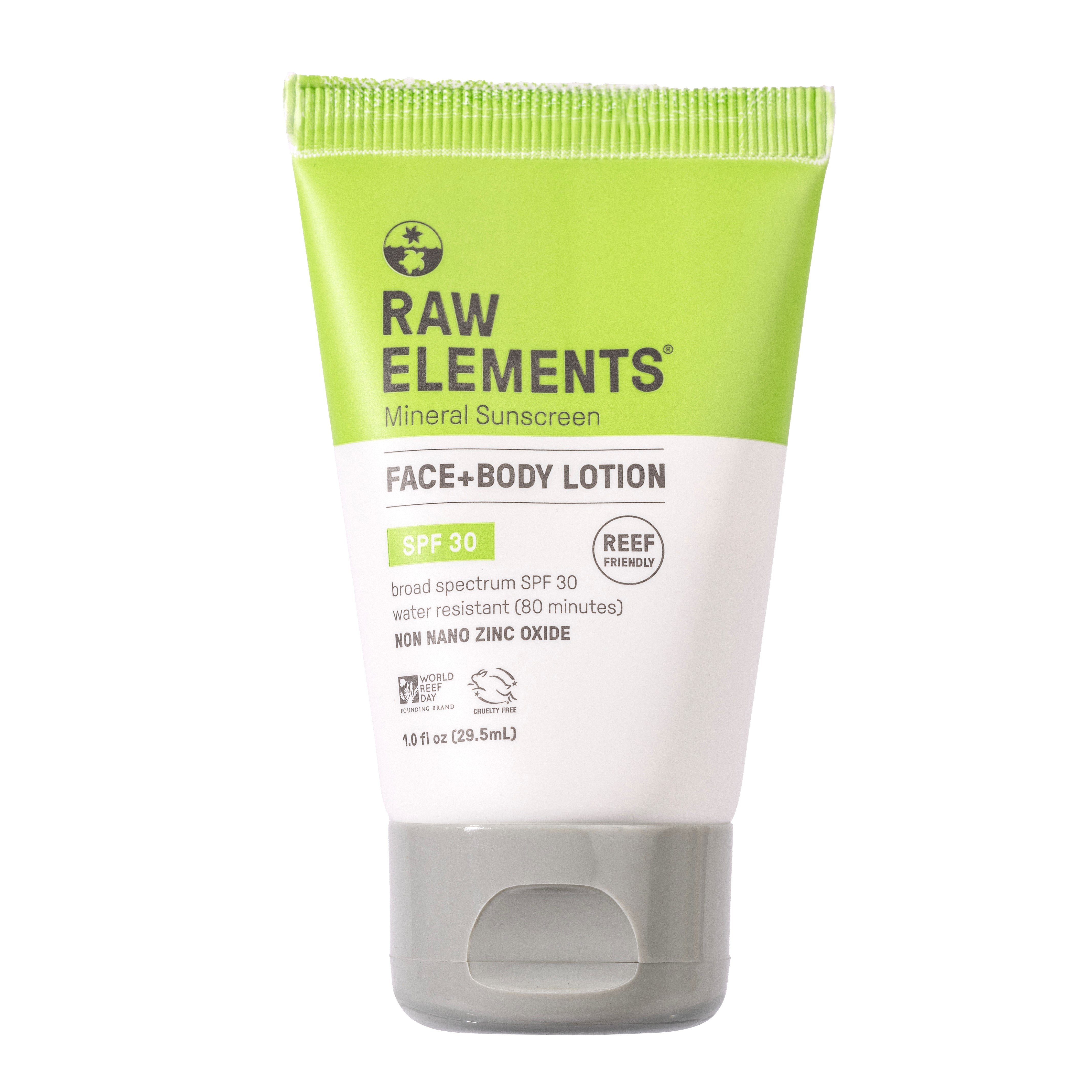
A high-performance, plastic-free mineral sunscreen that is safe for both sensitive skin and coral reefs.

A truly organic, non-toxic shampoo using saponified oils and aloe vera, setting the gold standard for pet ingredient transparency and environmental safety.

An impeccably clean immune support supplement featuring allergy-free, organic yeast-derived beta-glucans in non-GMO glass packaging.

A deep, velvety dark chocolate truffle made with regenerative organic cacao and wrapped in compostable materials.

Hand-crocheted by artisans in Peru using organic cotton and untreated Indian hardwood, this teething toy blends heirloom quality with strict ethical standards.
The major scientific bodies (WHO, EFSA, NASEM) consider currently commercialised GMO crops as safe to eat as their conventional counterparts. Many shoppers avoid GMOs for ecological, supply-chain or pesticide-use reasons rather than direct safety concerns.
Scan products, track your ethical impact, plan vegan meals and chat with your AI coach — all in one place. 100% free, forever — no paid plans, ever.
Free forever · No credit card · No paid plans, ever