
English · 10 min read
Vegan Protein Gains: Your 2026 Nutritional Roadmap
Unlock vegan protein power. We cover real needs, amino acid truths, and the best budget plant protein sources for optimal health.
6/21/2026 · 2,927 words
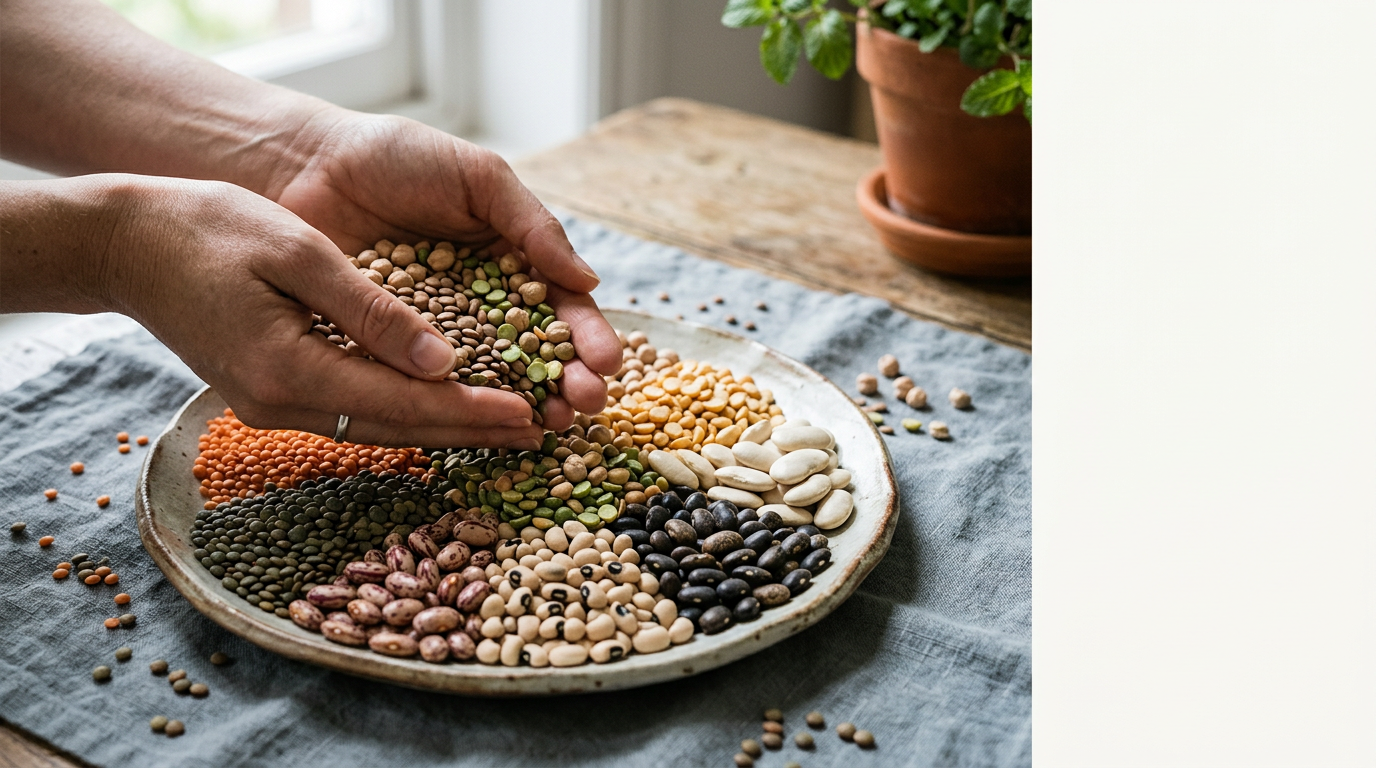
For too long, the conversation around protein has been mired in misinformation, especially concerning plant-based diets. From the gym floor to the dinner table, the myth persists that acquiring adequate, "complete" protein without meat is a Herculean task. This article aims to dismantle those myths, offering a clear, evidence-based roadmap to understanding and optimising vegan protein intake. We’ll delve into scientifically established protein requirements, demystify amino acid profiles, and equip you with practical knowledge on sourcing the best plant proteins, considering both their nutritional density and your budget.
Deconstructing Protein: What It Is and Why Vegans Need It
Protein is a fundamental macronutrient, a complex molecule constructed from smaller units called amino acids. These amino acids are the building blocks of virtually every tissue in your body – muscles, skin, hair, enzymes, hormones, and antibodies, all rely on a steady supply. For vegans, the why of protein isn't different; it's the how that often gets unfairly scrutinised. A common misconception is that plant-based proteins are inherently "inferior" or harder to obtain in sufficient quantities. This simply isn't true.
The essentiality of protein stems from its role in cell repair, growth, and the maintenance of bodily functions. Without adequate protein, you can experience muscle wastage, a weakened immune system, and impaired recovery from injury or illness. The British Nutrition Foundation (BNF, 2022) highlights that protein intake is crucial for all age groups, from growing children to active adults and the elderly. While animal products are often championed for their protein content, a well-planned vegan diet can easily meet and even exceed these requirements.
"The idea that you can't get enough protein on a vegan diet is one of the most pervasive and unfounded myths in nutrition."
Essential vs. Non-Essential Amino Acids
The 20 amino acids found in dietary protein are categorised into two groups: essential and non-essential. Essential amino acids cannot be synthesised by the body and must be obtained through diet. There are nine of these: histidine, isoleucine, leucine, lysine, methionine, phenylalanine, threonine, tryptophan, and valine. Non-essential amino acids can be produced by the body. This distinction is vital for understanding "complete" protein.
The concept of a "complete" protein refers to a food item that contains all nine essential amino acids in sufficient quantities. While many animal products (meat, dairy, eggs) are naturally complete proteins, so are several plant-based options. More importantly, the human body maintains an amino acid pool, meaning you don't need to consume all essential amino acids in a single meal. Your body efficiently combines amino acids from different foods eaten throughout the day to form complete proteins. This dispels the outdated "protein combining" myth.
How Much Protein Do Vegans Really Need?
Determining your protein requirements isn't a one-size-fits-all calculation. Factors like age, sex, activity level, and overall health play significant roles. The general recommendation for adults by agencies like the European Food Safety Authority (EFSA, 2012) is 0.83 grams of protein per kilogram of body weight per day. For a 70kg individual, this translates to roughly 58 grams of protein daily. However, for those engaging in regular, intense physical activity, particularly strength training, these requirements can be higher.
For athletes or individuals aiming to build muscle, recommendations often range from 1.2 to 2.2 grams of protein per kilogram of body weight. The Academy of Nutrition and Dietetics (AND, 2021) suggests that vegetarian and vegan athletes may need slightly higher protein intakes (1.1 to 1.7 g/kg/day) due to the lower digestibility of some plant proteins. This slight adjustment ensures adequate absorption and utilisation. It's crucial to emphasise "slightly" — we're not talking about a dramatic increase, just a sensible adjustment.
Practical Protein Targets for Different Lifestyles
- Sedentary Adults: 0.8-1.0 g/kg body weight per day.
- Moderately Active Adults: 1.0-1.2 g/kg body weight per day.
- Endurance Athletes: 1.2-1.4 g/kg body weight per day.
- Strength Athletes/Bodybuilders: 1.6-2.2 g/kg body weight per day.
Consider Jane, a 65kg vegan woman in the UK who cycles casually a few times a week. Her protein target might be around 65-78 grams per day. Mark, an 80kg vegan man in Australia who lifts weights four times a week, might aim for 128-176 grams. These figures are achievable through a varied, plant-rich diet.
The Myth of "Incomplete" Proteins and Amino Acid Completeness Demystified
The concept of "incomplete" plant proteins has been one of the biggest roadblocks in the public perception of vegan nutrition. Decades ago, it was believed that vegetarians and vegans needed to meticulously combine specific plant foods at each meal (e.g., rice with beans) to form "complete" proteins. This idea, popularised in the 1970s, has since been thoroughly debunked by leading nutritional bodies worldwide.
The human body is remarkably efficient. It maintains an "amino acid pool" derived from the protein you consume throughout the day. This pool allows the body to draw essential amino acids from various sources and combine them as needed. As long as you are consuming a variety of plant foods over the course of a day, you will naturally obtain all the essential amino acids. The Vegan Society (UK, 2023) consistently reiterates that "as long as energy needs are met and a variety of plant foods are eaten, vegans have nothing to worry about when it comes to protein."
"The complementary protein idea was based on early research that has since been disproven. Variety, not strict pairing, is the key."
Best Plant Protein Sources by Gram
Now that we've cleared the air on requirements and amino acid completeness, let's dive into the tangible: which plant foods are powerhouses of protein? The following list focuses on high-protein sources, providing approximate protein content per 100 grams, a standard measure in nutritional labelling.
- Legumes:
- Lentils (cooked): ~9g
- Black Beans (cooked): ~9g
- Chickpeas (cooked): ~8g
- Edamame (shelled, cooked): ~11-12g
- Split Peas (cooked): ~8g
- Mung Beans (cooked): ~7g
- Soy Products: (often complete proteins)
- Grains & Pseudograins:
- Quinoa (cooked): ~4-5g (complete protein)
- Oats (rolled, uncooked): ~13g
- Buckwheat (cooked): ~5g
- Whole Wheat Pasta (cooked): ~5g
- Nuts & Seeds:
- Hemp Seeds: ~30-33g
- Pumpkin Seeds: ~25-30g
- Almonds: ~21g
- Chia Seeds: ~17g
- Peanut Butter (natural): ~25g
- Flax Seeds: ~18g
- Vegetables (high protein per calorie, but lower overall volume):
- Broccoli: ~3g
- Spinach: ~3g
- Mushrooms: ~3g
- Potatoes: ~2g
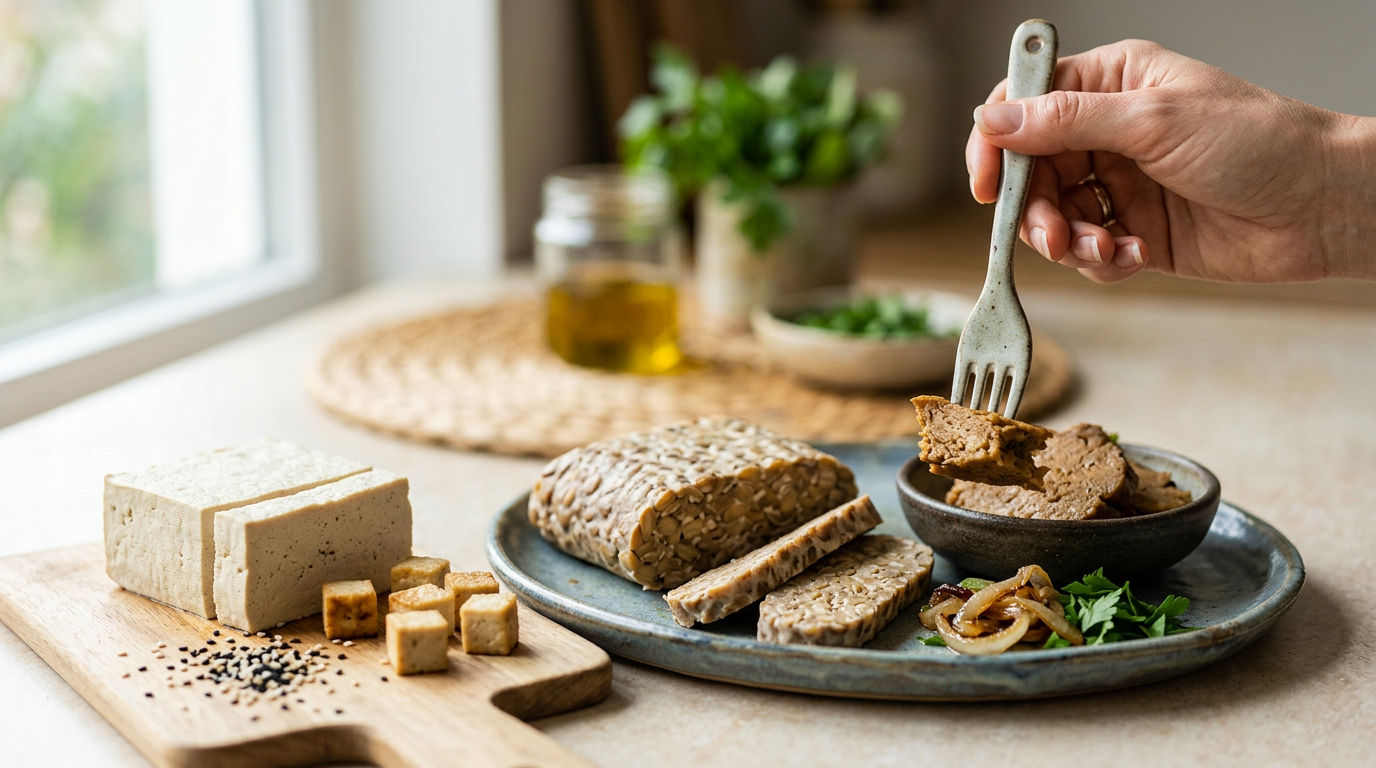
It’s important to appreciate that while vegetables like broccoli have less protein per 100g compared to lentils, they contribute significantly to overall intake, especially when eaten in larger portions as part of a balanced diet. A substantial serving of greens can add valuable grams without you even thinking about it.
Best Plant Protein Sources by Cost-Effectiveness
For many, especially in regions like the UK, Canada, or Australia where the cost of living can be high, budget is a major consideration. Thankfully, many of the most protein-dense plant foods are also incredibly affordable. Prioritising these staple items can make meeting your protein needs both simple and economical.
Smart Shopping Tip: Buying dried legumes in bulk is almost always more cost-effective than canned versions. Just factor in soaking and cooking time.
- Top Value Choices (prices current as of 2026):
- Dried Lentils (Red, Green, Brown): Exceptionally cheap. A kilogram can cost less than £2.50/AUD$4.50 in most supermarkets and yields many meals. Protein: ~24g per 100g uncooked.
- Dried Beans (Black, Kidney, Chickpeas): Similar to lentils in affordability. A large bag will go a long way. Protein: ~20-25g per 100g uncooked.
- Tofu (firm or extra-firm): Often available for £1.75-£3.50/AUD$3.50-$5.50 per block (300-400g), offering excellent protein per pound. Protein: ~10-12g per 100g.
- Peanut Butter: A jar provides ample protein and calories for a reasonable price. Look for brands with minimal added sugar and salt. Protein: ~25g per 100g.
- Oats: Inexpensive and versatile, fantastic for breakfast. Protein: ~13g per 100g.
- Frozen Edamame: A convenient and high-protein vegetable option that’s often more affordable than fresh. Protein: ~11-12g per 100g.
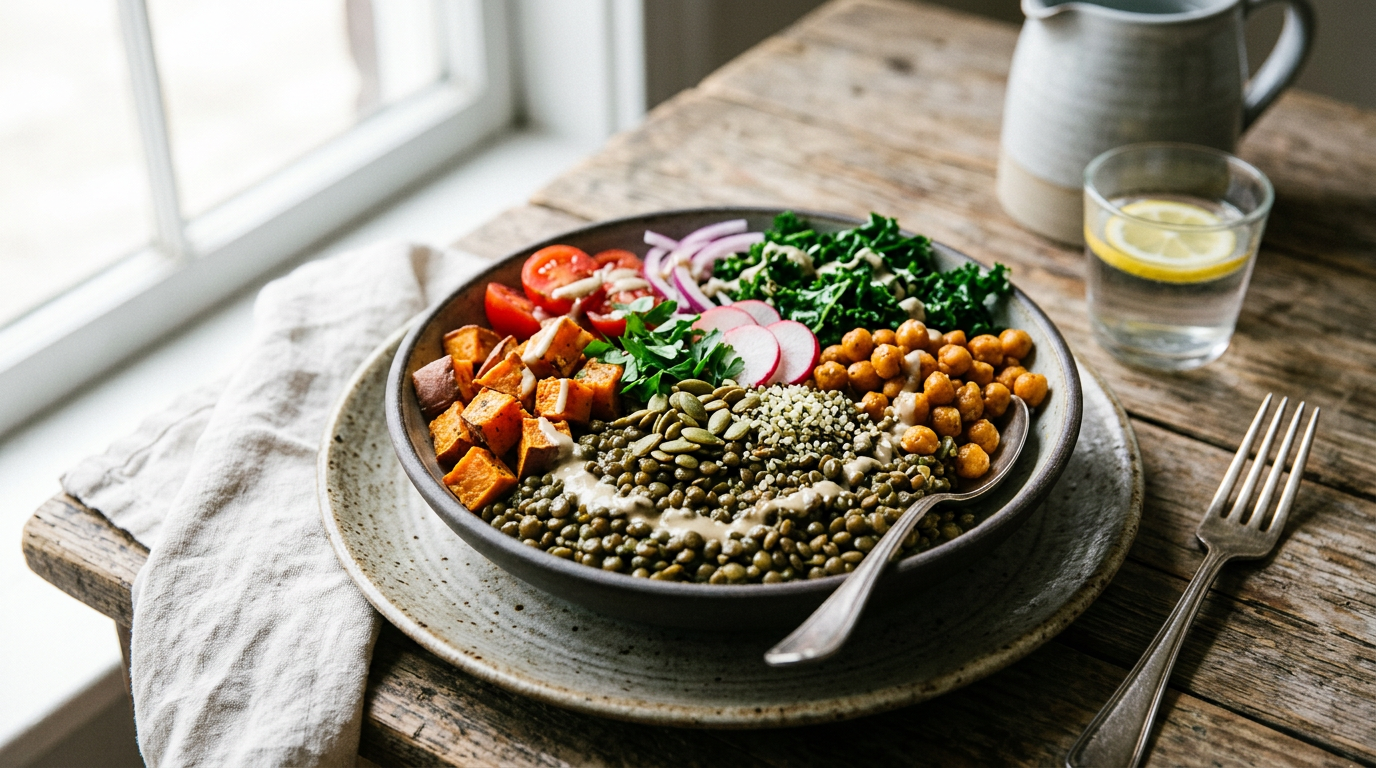
Consider a hypothetical shopping basket in major Australian supermarket chains like Coles or Woolworths (prices current as of 2026). You could pick up 500g of dried red lentils for around AUD$2.20, a block of firm tofu for AUD$3.20, a large tub of natural peanut butter for AUD$5.20, and a kilo of oats for AUD$3.70. These few items alone provide a substantial protein foundation for a week, proving that vegan protein doesn't have to break the bank.
The Role of Protein Powder and Supplements
While a well-planned whole-foods vegan diet can easily meet protein requirements, supplements like protein powders can be a convenient addition, especially for those with higher needs (e.g., athletes) or busy lifestyles. They offer a concentrated source of protein without excessive calories or preparation time.
Common vegan protein powders include:
- Pea Protein: Highly digestible, good amino acid profile, often used as a base.
- Rice Protein: Hypoallergenic, but often lower in lysine compared to pea. Often blended with pea to create a more complete profile.
- Hemp Protein: Contains fibre and healthy fats, but protein concentration is typically lower.
- Soy Protein Isolate: A complete protein, highly digestible, often found in textured vegetable protein (TVP) as well.
The Australian Institute of Sport (AIS, 2023) acknowledges the role of protein supplements in sports nutrition, including plant-based variants, for aiding muscle repair and growth. However, they stress that supplements should supplement a balanced diet, not replace it. Always check for third-party certifications (like Informed Sport or similar in other regions) to ensure product quality and absence of banned substances.
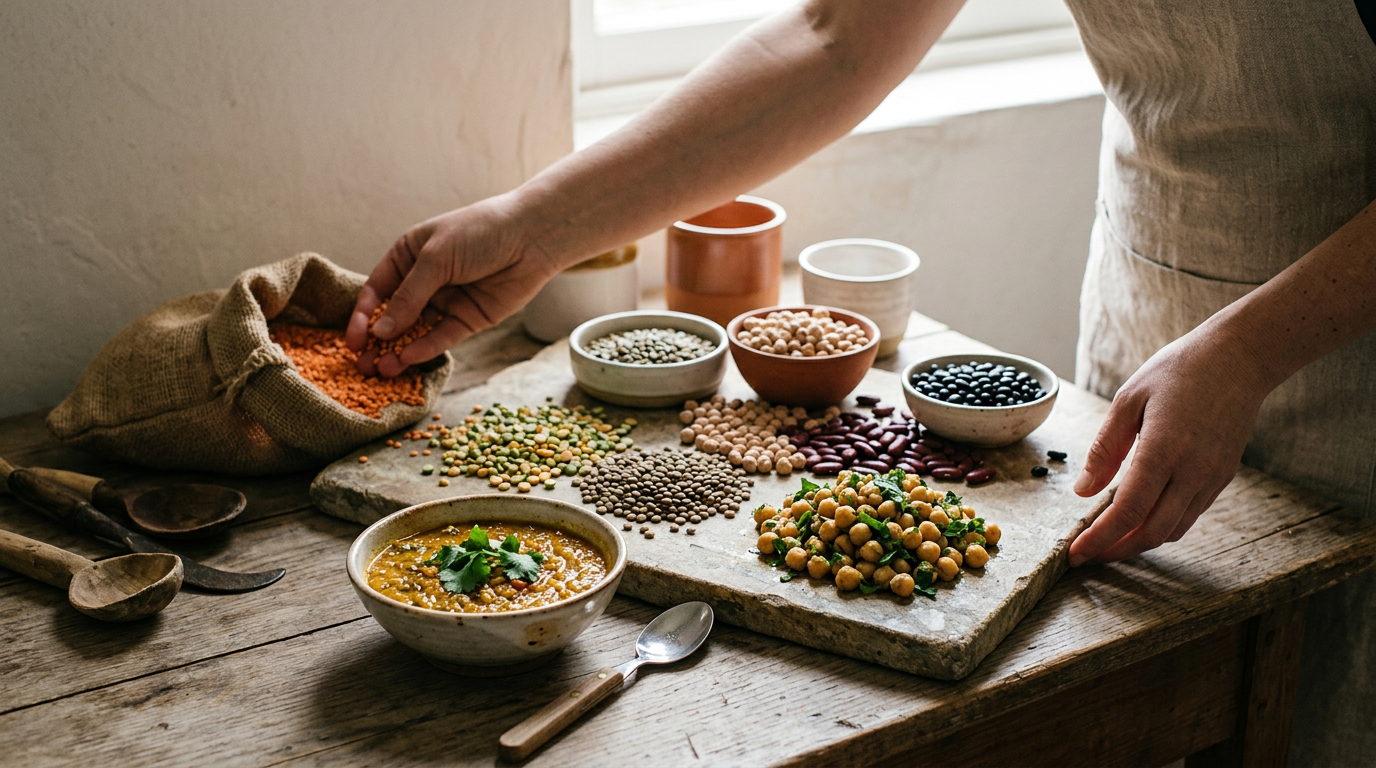
When might a protein powder be useful?
- Post-workout recovery: Quick absorption helps with muscle repair.
- Meal replacement (occasionally): For busy shifts or travel.
- Boosting protein in lower-protein meals: Adding a scoop to smoothies or porridges.
- Meeting high protein targets: When whole food volume becomes challenging.
It's crucial to remember that protein powders are processed foods. Prioritising whole plant foods remains the gold standard for overall nutrient intake, including fibre, vitamins, and minerals.
Addressing Common Vegan Protein Concerns
Despite the clear evidence, several persistent myths and concerns surrounding vegan protein continue to circulate. Let's tackle them head-on.
Is Plant Protein as "Bioavailable" as Animal Protein?
Bioavailability refers to the proportion of a nutrient that is absorbed from the diet and used for normal body functions. It's true that some plant proteins can have slightly lower digestibility scores due to fibre content and anti-nutrients (like phytates), compared to animal proteins. However, this difference is generally marginal and easily compensated for by consuming a slightly higher overall quantity of plant protein, as discussed earlier (e.g., 1.1-1.7 g/kg for vegan athletes). Also, proper cooking methods (soaking legumes, cooking grains) can significantly improve the digestibility of plant proteins.
What About Lysine and Methionine?
These two essential amino acids are often highlighted as potential "limiting" amino acids in plant-based diets.
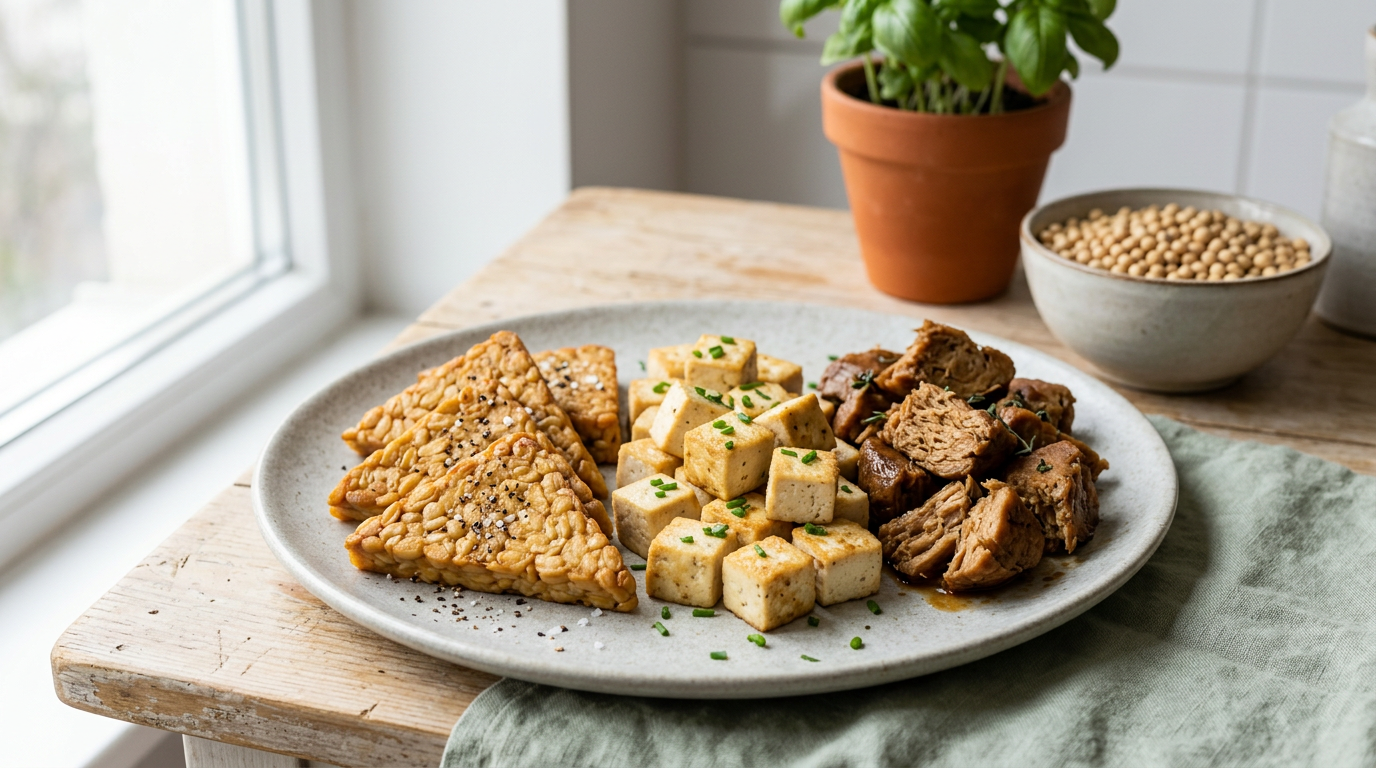
- Lysine is typically lower in grains (like rice and wheat) but abundant in legumes (beans, lentils, chickpeas), soy products (tofu, tempeh), quinoa, and pistachios.
- Methionine is generally lower in legumes but plentiful in grains, nuts (especially Brazil nuts), seeds (hemp, chia), and certain vegetables (broccoli, spinach).
The key takeaway, again, is variety. By simply eating a diverse range of plant foods throughout the day, you'll naturally cover your needs for both lysine and methionine. You don't need to overthink it; a varied vegan diet inherently addresses these concerns.
Building a High-Protein Vegan Meal Plan: Practical Strategies
Armed with knowledge, let's look at how to practically incorporate high-protein plant foods into your daily diet. A balanced approach focuses on integrating diverse sources across your meals.
Breakfast Ideas:
- Tofu Scramble: Firm tofu crumbled and sautéed with vegetables (~15-20g protein).
- Oatmeal/Porridge: With hemp seeds, chia seeds, and fortified soy milk (~15-20g protein).
- Peanut Butter Toast: Wholegrain toast with generous natural peanut butter and a banana (~10-15g protein).
- Vegan Protein Smoothie: Soy milk, spinach, banana, and a scoop of protein powder (~20-30g protein).
Lunch Ideas:
- Lentil Soup/Stew: Packed with vegetables and legumes (~15-25g protein).
- Chickpea Salad Sandwich/Wrap: Mashed chickpeas with vegan mayo and veggies (~15-20g protein).
- Large Salad with Roasted Chickpeas/Edamame/Tempeh: A hearty salad base with a substantial protein topping (~20-30g protein).
- Leftover Lentil Dahl or Bean Chili: Always a winner for convenience and protein.
Dinner Ideas:
- Black Bean Burgers: Homemade or quality store-bought on a whole wheat bun (~15-25g protein per burger).
- Tempeh Stir-fry: With plenty of vegetables and a peanut sauce (~20-30g protein).
- Lentil Bolognese: Served with whole wheat pasta (~20-25g protein).
- Tofu Curry: With rice or quinoa (~20-30g protein).
- Seitan Steaks/Roasts: A high-protein centrepiece for meals (~30-40g protein).
Snack Ideas:
- Edamame Pods: Steamed with a sprinkle of sea salt (~11-12g per 100g).
- Handful of Almonds or Pumpkin Seeds: Convenient and protein-rich (~5-10g).
- Soy Yoghurt: With berries and a sprinkle of seeds (~8-12g per serving).
- Hummus with Veggie Sticks: A classic, balanced snack.
The Power of Legumes: Make legumes (beans, lentils, chickpeas) a staple. They are affordable, versatile, and excellent sources of protein and fibre.
Regulation and Oversight: Ensuring Quality and Safety
In developed English-speaking countries, the regulation of food products, including vegan protein sources and supplements, is robust.
- In the UK, the Food Standards Agency (FSA), alongside local authorities, enforces food safety and labelling regulations.
- In Canada, Health Canada and the Canadian Food Inspection Agency (CFIA) ensure that food products sold are safe and accurately labelled, including nutritional information.
- In Australia, Food Standards Australia New Zealand (FSANZ) sets food standards, including those related to allergen labelling and nutritional content claims, which apply to all food manufacturers and importers.
These agencies ensure that the protein content declared on food labels is accurate and that products meet safety standards. When purchasing vegan protein powders and supplements, always look for products from reputable manufacturers and, if possible, those that carry third-party certifications for quality and purity. This ensures you're getting what you pay for and that the product is free from contaminants.
For example, a vegan protein bar sold in the UK would need to comply with the EU's (now UK's independent) Nutrition and Health Claims Regulation (NHCR) if it makes claims about its protein content, ensuring that the claims are scientifically substantiated and not misleading. This regulatory environment provides a layer of consumer protection and allows individuals to make informed dietary choices.
🌱 What Changed in 2026
The landscape of vegan protein continues to evolve rapidly, with 2026 bringing several key developments across product innovation, market trends, and nutritional understanding.
- Expanded Fortification in Plant Milks: Health Canada (2026) issued updated guidelines encouraging broader fortification of plant-based milk alternatives with protein, calcium, and vitamin D, mirroring dairy standards, making it easier for consumers to meet nutrient targets through everyday staples.
- Launch of Fermented Mycoprotein Products: Companies like MycoFoods (2026) introduced novel fermented mycoprotein products with enhanced texture and amino acid profiles, attracting significant investment and hitting mainstream grocery shelves in Europe and North America.
- Global Plant-Based Protein Market Growth: A report by Grand View Research (2026) projected the global plant-based protein market to reach over $20 billion by 2029, driven by increased consumer awareness and product availability, indicating sustained demand.
- New Evidence on Protein Distribution: A meta-analysis published in the Journal of the Academy of Nutrition and Dietetics (2026) provided further evidence that daily protein targets are more critical than meal-specific protein distribution for muscle protein synthesis in vegans, reinforcing the "amino acid pool" concept.
- Emergence of Lentil-Based Bioplastics: Innovators like LentilCycle (2026) began trialing food packaging made from lentil protein by-products, offering sustainable alternatives to traditional plastics and showcasing the versatile potential of plant proteins beyond nutrition.
📚 Sources and Further Reading
Understanding vegan protein is continuously supported by robust scientific research and authoritative guidelines.
- Academy of Nutrition and Dietetics, Position of the Academy of Nutrition and Dietetics: Vegetarian Diets (2021) — Establishes the adequacy of well-planned vegetarian and vegan diets for all life stages, including athletes, with specific protein recommendations.
- Australian Institute of Sport (AIS), Sports Supplement Framework: Protein (2023) — Provides evidence-based guidance on protein supplementation for athletes, acknowledging the role of plant-based protein.
- British Nutrition Foundation (BNF), Protein: Functions, requirements, sources, and sustainable considerations (2022) — Offers a comprehensive overview of protein, its role in health, and includes discussion on plant-based sources.
- European Food Safety Authority (EFSA), Scientific Opinion on Dietary Reference Values for protein (2012) — Outlines the established protein requirements for different population groups across Europe.
- Grand View Research, Plant-based Protein Market Size, Share & Trends Analysis Report (2026) — Provides market insights and growth projections for the plant-based protein sector.
- Health Canada, Dietary Reference Intakes Tables (2005, with subsequent updates including 2026 guidelines) — Provides nutrient recommendations for Canadians and outlines policies for food fortification.
- Journal of the Academy of Nutrition and Dietetics, Impact of Daily vs. Per-Meal Protein Distribution on Muscle Protein Synthesis in Plant-Based Diets: A Systematic Review and Meta-Analysis (2026) — Presents a current scientific consensus on protein timing for plant-based individuals.
- The Vegan Society (UK), Protein (2023) — Provides accessible, evidence-based information for the public on obtaining adequate protein from a vegan diet.
Editor's note: this article is informational, not medical advice.