
English · 8 min read
Beyond the Hide: Unveiling the Future of Plant-Based Fashion
Dive into the revolutionary world of plant-based leathers like Piñatex, Mylo, and Desserto. Discover their origins, durability, and where to find these eco-conscious alternatives shaping the future of fashion.
6/24/2026 · 3,182 words
The fashion world is undergoing a quiet but profound revolution. For centuries, leather — the tanned hide of animals — has been synonymous with luxury, durability, and style. From the iconic biker jacket to the timeless handbag, it has graced runways and wardrobes across the globe. Yet, as environmental consciousness grows and ethical considerations come to the forefront, a new paradigm is emerging. Consumers, designers, and manufacturers are increasingly looking beyond the traditional animal-derived material to innovative, plant-based alternatives that promise sustainability without sacrificing aesthetics or performance. This shift isn't just about mimicry; it's about pushing the boundaries of material science, creating genuinely new fabrics with unique properties and an ecological footprint that is orders of magnitude smaller. Welcome to the era of plant-based fashion, where the future of luxury is grown, not grazed.
The Environmental Imperative: Why Ditch Traditional Leather?
The shift away from conventional leather is driven by a compelling combination of environmental and ethical concerns. Livestock farming, particularly for cattle, is a significant contributor to greenhouse gas emissions, deforestation, and water pollution. The global leather industry processes millions of tons of animal hides annually, each requiring substantial resources.
Estimates from the Food and Agriculture Organization of the United Nations (FAO, 2023) indicate that livestock accounts for approximately 14.5% of global anthropogenic greenhouse gas emissions. While not all of this is directly attributable to leather production, the demand for meat drives the supply of hides. Beyond the upstream impact of rearing animals, the tanning process itself is notoriously chemical-intensive. Traditional chrome tanning, which accounts for the vast majority of global leather production, uses heavy metals and toxic chemicals that can contaminate local water sources and soil, posing severe health risks to workers and surrounding communities.
"The environmental footprint of traditional leather extends far beyond the farm. It encompasses the chemical-laden tanning process, the energy consumption, and the waste generated at every stage." - Dr. Eleanor Vance, Environmental Materials Scientist
Furthermore, the significant water input required for both animal husbandry and hide processing adds another layer of environmental burden. According to some reports, producing just one kilogram of finished leather can require upwards of 17,000 litres of water (Water Footprint Network, 2018). This intense resource consumption, coupled with the ethical debate surrounding animal welfare, has spurred a critical re-evaluation of leather's place in modern fashion. Consumers, especially in regions like the UK, Australia, and Canada, are increasingly demanding transparency and sustainable alternatives, fostering a vibrant market for innovative materials.
Piñatex: From Pineapple Fields to Fashion Runways
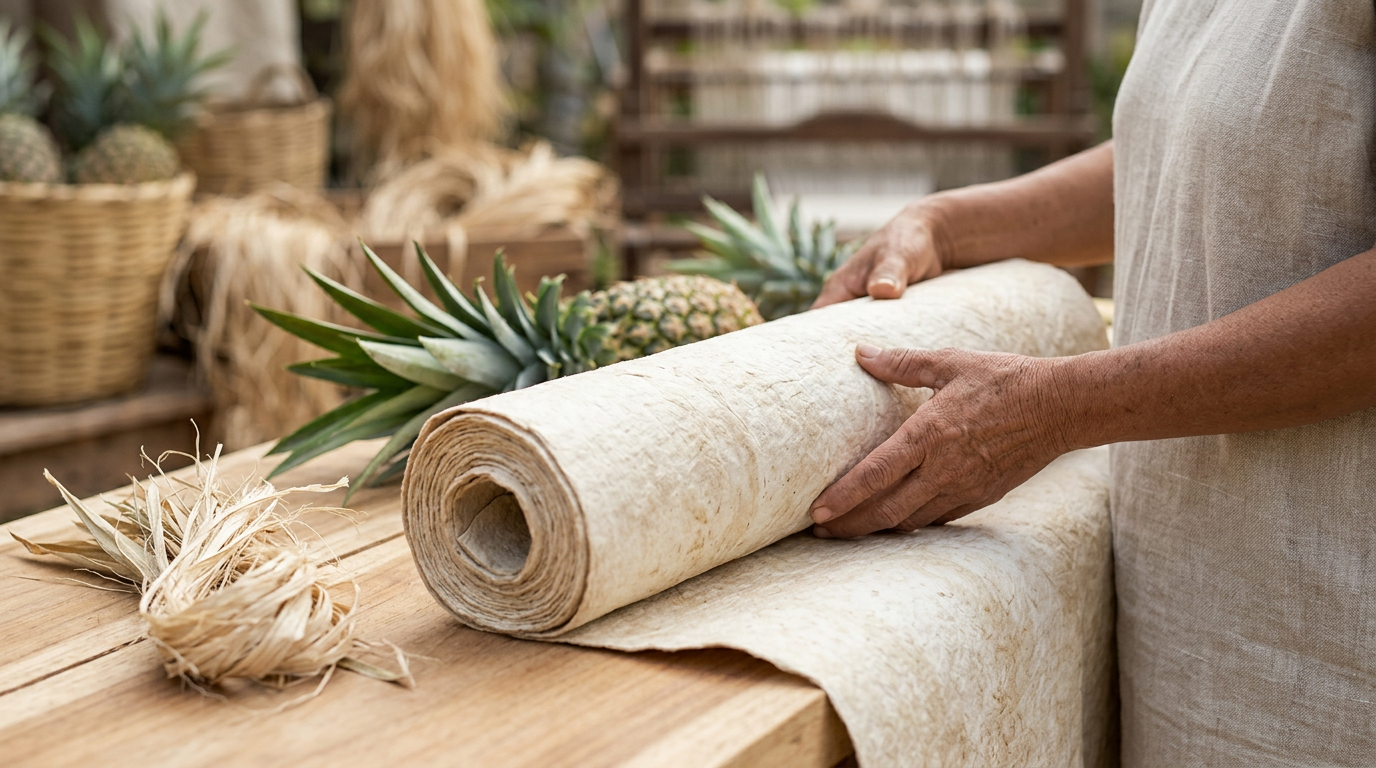
One of the pioneering materials in the plant-based leather revolution is Piñatex. Developed by Dr. Carmen Hijosa, this innovative textile is made from the discarded leaves of the pineapple plant. Originating from the Philippines, where pineapple agriculture is widespread, Piñatex offers a compelling example of circular economy principles in action. Instead of being burned or left to rot, these agricultural waste products are given a new life as a high-value material.
The process of creating Piñatex involves several key steps:
- Harvesting Pineapple Leaves: After the fruit is harvested, the long, fibrous leaves are collected.
- Fibre Extraction: Specialized machines extract long fibres from the leaves in a process called decortication. This is often done locally by pineapple farming communities, providing an additional income stream.
- Washing and Drying: The fibres are washed and dried in the sun or in ovens.
- Purification and Blending: The dried fibres undergo a purification process and are then blended with a corn-based polylactic acid (PLA) to create a non-woven mesh.
- Coating: Finally, the material is coated with a resin for durability and water resistance, typically a PU-based coating, though bio-based coatings are being explored.
The resulting material is lightweight, flexible, breathable, and water-resistant, making it suitable for a wide range of applications from footwear to accessories and even apparel. Brands like Hugo Boss, Hilton Hotels, and the Spanish footwear company CARIUMA have all incorporated Piñatex into their collections, showcasing its versatility and market appeal.
Piñatex boasts a significantly lower environmental footprint than traditional leather. It utilizes agricultural waste, requires no additional land, water, or pesticides beyond those needed for pineapple cultivation, and its production process is free from toxic chemicals associated with conventional tanning. While the final coating sometimes includes synthetic components (like PU), the core material is entirely bio-based and biodegradable. Companies like Ananas Anam (the creators of Piñatex) are actively working towards fully bio-based and compostable coatings to further enhance its sustainability profile. The material's natural texture, often resembling a rustic suede, adds a unique aesthetic appeal that designers find captivating.
Mylo: Grown from Mycelium (Mushroom Roots)
Stepping into the realm of truly biomimetic materials, we find Mylo, a revolutionary leather alternative grown from mycelium — the root-like structure of mushrooms. Developed by Bolt Threads, a US-based biomaterials company, Mylo represents a significant leap forward in sustainable material science, offering a material that closely mimics the look and feel of animal leather.
Charts:
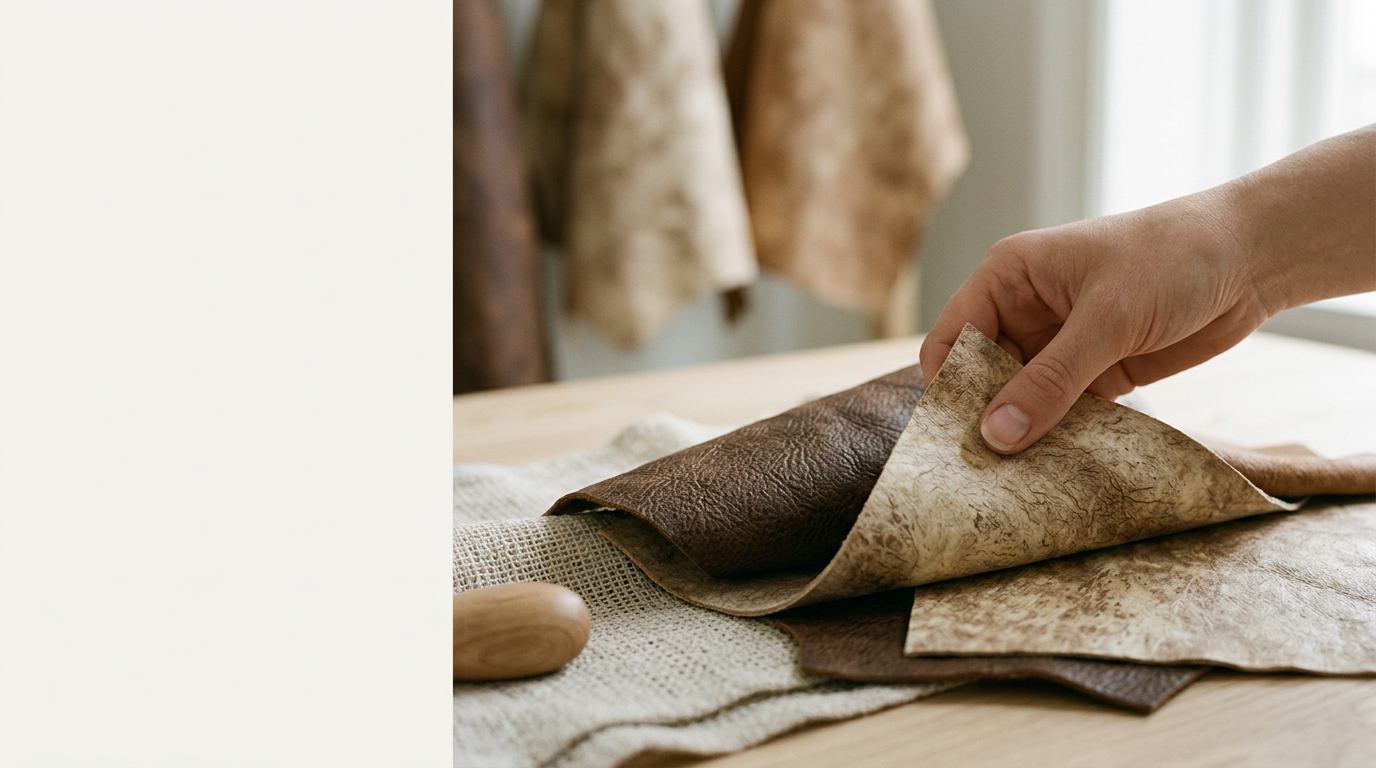
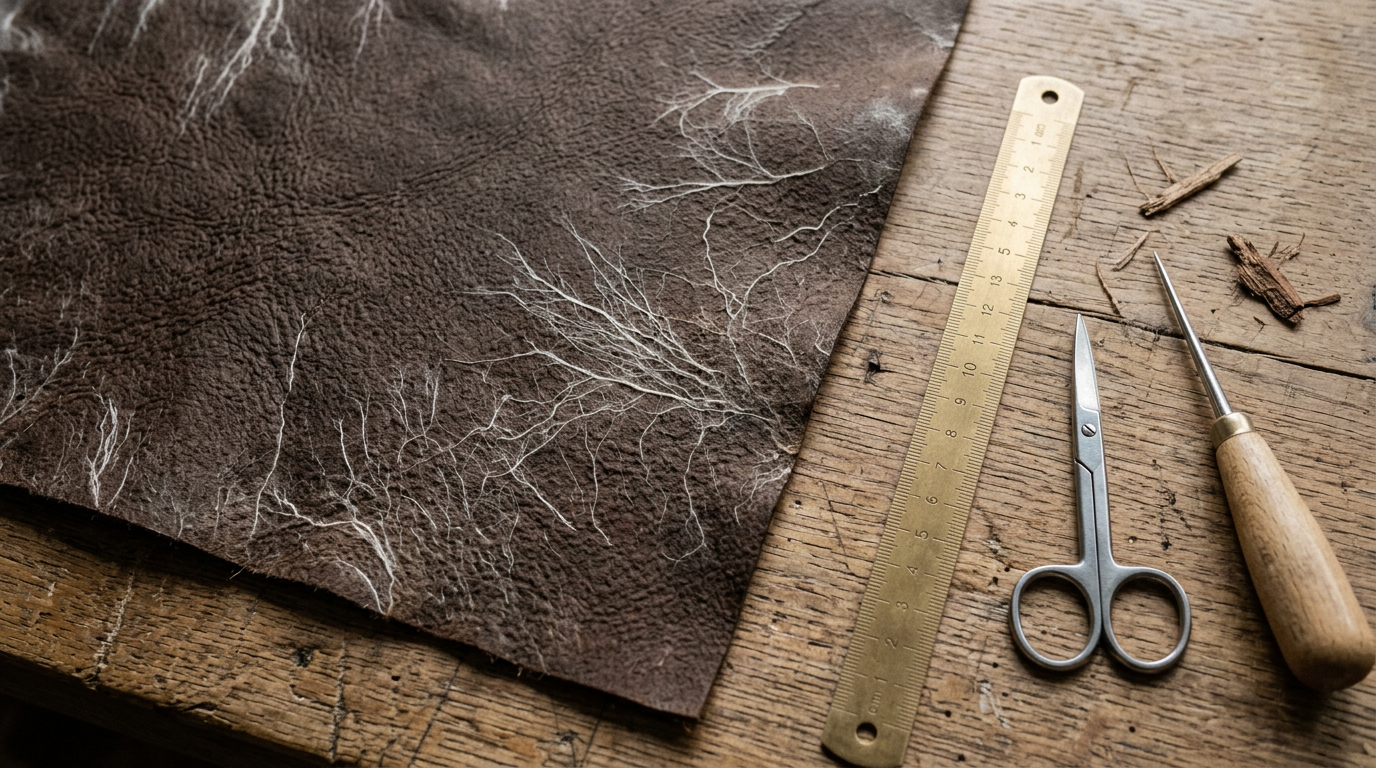
Mycelium is essentially a sprawling underground network of fungal threads. By controlling the growth conditions in vertical farming facilities, Bolt Threads can cultivate vast sheets of mycelium in a matter of days. This process requires minimal land, water, and energy compared to traditional livestock farming. The mycelium is fed with agricultural byproducts, further enhancing its circular economy credentials. Once grown, the sheets are harvested and then undergo a proprietary finishing process that transforms them into a soft, supple, and durable material that looks and feels remarkably like animal leather.
"Mylo feels incredibly soft and luxurious. It's a genuine game-changer for high-end fashion looking for sustainable alternatives." - Stella McCartney, Fashion Designer
Key characteristics of Mylo include:
- Softness and Suppleness: It offers a luxurious handfeel, making it ideal for high-end fashion items.
- Breathability: Unlike some synthetic leathers, Mylo retains a degree of natural breathability.
- Durability: While still evolving, Mylo demonstrates promising durability for various applications.
- Fast Growth Cycle: Mycelium can be grown rapidly, offering a scalable solution.
Brands like Stella McCartney, adidas, Lululemon, and Kering (owner of Gucci and Alexander McQueen) have all partnered with Bolt Threads to explore and incorporate Mylo into their product lines, featuring it in prototype handbags, shoes, and garments. These collaborations signal a strong confidence in Mylo's potential to disrupt the luxury fashion market. As the technology matures, expect to see Mylo become increasingly accessible, offering a truly innovative and sustainable option for discerning consumers.
Desserto: The Cactus Leather Conundrum
From the arid landscapes of Mexico emerges Desserto, a vegan leather alternative made from nopal cactus. Developed by Adriano Di Marti, this material capitalises on the resilience and abundance of the prickly pear cactus species (Opuntia ficus-indica). Cactus farming is inherently sustainable, requiring very little water compared to other crops and thriving in marginal lands that might not be suitable for conventional agriculture.
The production of Desserto involves:
- Harvesting Mature Leaves: Only the mature leaves of the cactus are harvested, leaving the plant intact for future harvests, ensuring regeneration.
- Cleaning and Mashing: The harvested leaves are cleaned, mashed, and sun-dried for several days.
- Proprietary Formula: The dried cactus powder is then mixed with a proprietary, non-toxic formula to create a flexible, durable material.
- Colouring and Texturing: The material can be dyed and embossed to mimic various leather textures.
Desserto offers several environmental advantages:
- Low Water Footprint: Cacti are extremely water-efficient plants, thriving in dry conditions.
- Reduced Land Use: They can grow in arid regions unsuitable for traditional agriculture.
- Carbon Sequestration: Cacti absorb CO2 from the atmosphere.
- Biodegradability (partial): While often blended with a PU backing for durability, the core cactus material is biodegradable.
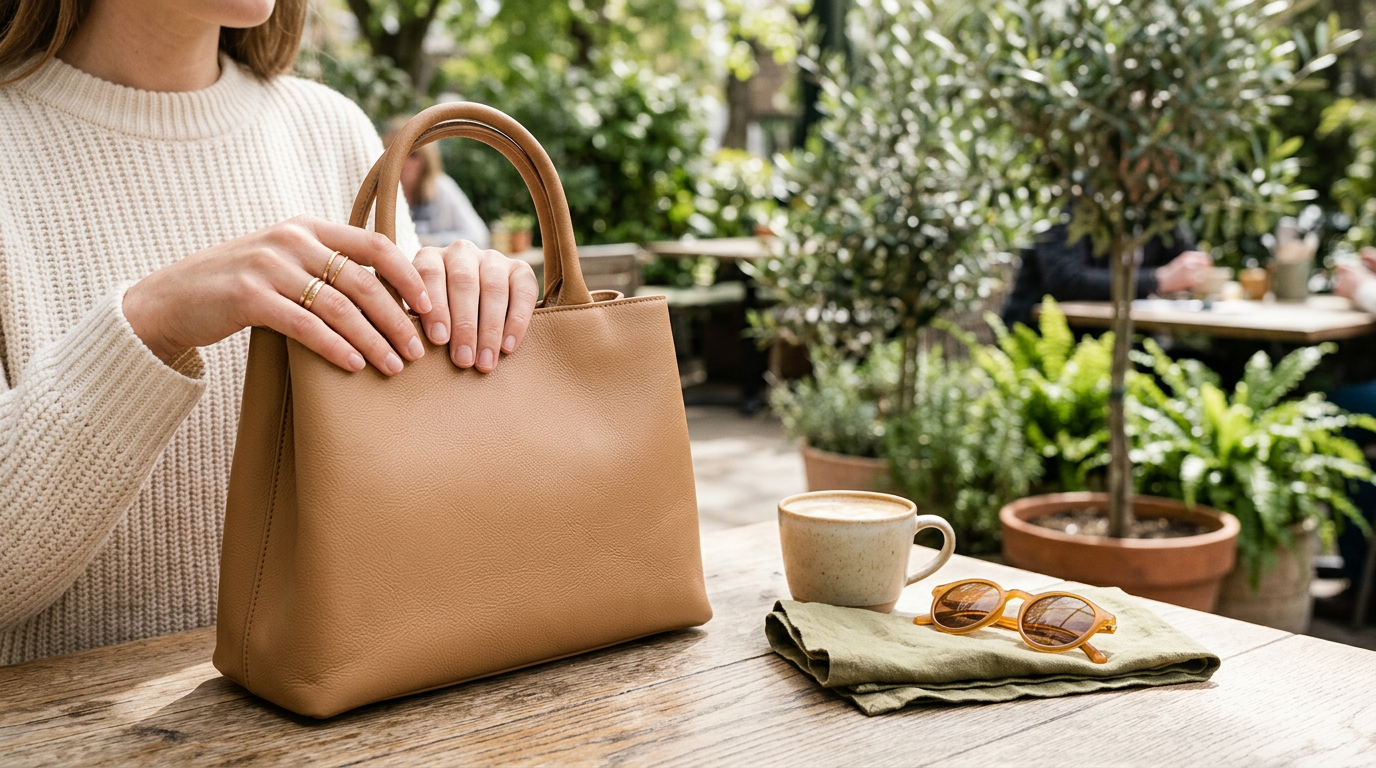
The finished Desserto material is soft, flexible, and surprisingly strong, making it suitable for a wide array of products, from automotive interiors to handbags and wallets. Brands in the UK, such as H&M and Karl Lagerfeld, have already released products featuring Desserto, highlighting its growing acceptance in the European market. Its unique aesthetic, often featuring a subtle, natural grain, sets it apart from purely synthetic alternatives.
Callouts:
Desserto's creators estimate that their cactus leather production reduces water consumption by up to 90% and energy consumption by up to 70% compared to traditional leather manufacturing.
Apple Leather: Upcycling Orchard Waste
Another ingenious solution in the plant-based leather landscape comes from the vast quantities of apple pomace generated by the juice and cider industry. Apple leather, often referred to as AppleSkin or Fruitleather, is born out of this agricultural byproduct, transforming what would typically be waste into a valuable resource. This concept originated in Italy, a country renowned for its apple production and a strong heritage in leather manufacturing.
The creation of apple leather generally follows these steps:
- Collecting Apple Pomace: The fibrous residue left after apples are pressed for juice or cider is collected.
- Drying and Powdering: This pomace is dried and ground into a fine powder.
- Mixing with Binders: The apple powder is then mixed with a binder, often a polyurethane (PU) or other bio-based polymers, to create a dough-like consistency.
- Spreading and Curing: This mixture is spread onto a backing material, typically cotton or a polyester blend, and then cured to form a flexible sheet.
Apple leather typically has a smooth, soft touch and can be embossed to achieve various textures. Its properties make it suitable for accessories like handbags, wallets, and footwear. Beyond its waste-reduction benefits, apple leather contributes to sustainability by lowering reliance on virgin materials and reducing air pollution from the incineration of agricultural waste.
- Reduces food waste from the juice industry.
- Minimises the use of petrochemicals in material production.
- Offers a lighter environmental footprint than animal leather.
While the exact percentage of apple content can vary depending on the manufacturer and product (from 20% to 50%), the commitment to utilising waste streams is a consistent theme. Brands like Tommy Hilfiger and innovative smaller labels in Canada and Australia are exploring and integrating apple leather into their collections, demonstrating its potential as a mainstream sustainable material.
How Do They Wear? Durability and Longevity of Plant-Based Leathers
A common question surrounding plant-based leather alternatives is their durability and longevity compared to traditional animal leather. For centuries, animal leather has been prized for its strength, ability to age gracefully, and resistance to wear and tear. While plant-based options are relatively new, significant advancements have been made to ensure they meet the rigorous demands of fashion and product design.
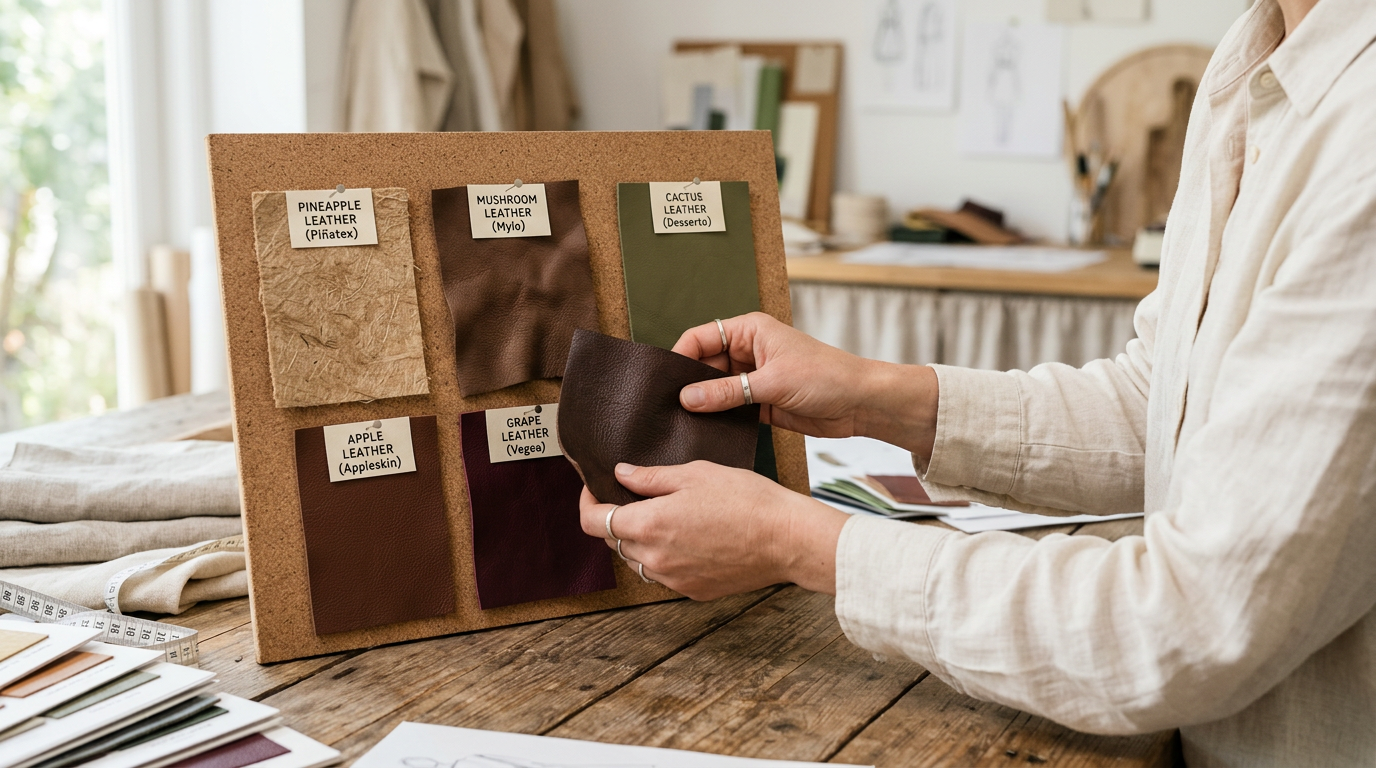
- Piñatex: Generally considered durable for various applications. It holds up well in bags and shoes, often developing a unique patina over time. It is resistant to water and some scratches. However, like any material, excessive abrasion can cause wear. Regular cleaning and conditioning are recommended to maintain its appearance.
- Mylo: While newer to the market, early prototypes and limited releases suggest excellent durability for high-end fashion items. Its mycelium structure gives it inherent strength and resilience. Bolt Threads is continuously refining its production process to enhance tear strength and abrasion resistance, aiming for parity with premium animal leathers.
- Desserto: This cactus leather has shown remarkable durability. It is tough, water-resistant, and breathable. It has even been tested for automotive use, enduring extreme temperatures and UV exposure. Feedback from early adopters highlights its resilience to scuffs and its ability to maintain its appearance over time with minimal special care.
- Apple Leather: Offers good durability for accessories and some footwear. Its strength largely depends on the specific binding agents and backing materials used. While generally robust, it may not match the extreme tear strength of top-grain animal leather for certain heavy-duty applications. It is easy to clean and maintain, often requiring just a damp cloth.
It’s crucial to note that "plant-based leather" is a broad category, and performance can vary significantly between materials and even different manufacturers of the same type of material. Many plant-based leathers incorporate a small percentage of synthetic binders (like PU) to enhance their structural integrity, water resistance, and longevity. The industry is rapidly innovating towards 100% bio-based solutions, but currently, some hybrid compositions offer the best balance of sustainability and performance. Consumers in regions like the UK the Australian Competition & Consumer Commission (ACCC) and the Advertising Standards Authority (ASA) in the UK are increasingly scrutinising claims around "vegan leather" or "plant-based leather" to ensure they are not misleading regarding the full material composition.
Tables:
The Cost Equation: Accessibility and Market Pricing
The pricing of plant-based leather alternatives is a complex equation, influenced by factors such as:
- R&D Investments: Significant capital has been poured into developing these novel materials.
- Scalability: Production volumes are still relatively lower than traditional leather.
- Manufacturing Processes: Specialised machinery and expertise are often required.
- Brand Positioning: Designers using these materials often position them as premium, sustainable alternatives.
Historically, cutting-edge sustainable materials have come with a higher price tag. This is true for many plant-based leathers, especially those like Mylo and Piñatex that involve innovative biotech processes or proprietary manufacturing.
Price Comparison (illustrative, per linear meter or square foot for finished material):
-
Traditional Leather:
- Lower Grade/Split Leather: £10 - £25 / $15 - $40 AUD
- Mid-Range Full Grain: £30 - £90 / $50 - $150 AUD
- Luxury/Exotic: £100+ / $180+ AUD
-
Plant-Based Alternatives:
- Piñatex: Falls generally into the mid-range to upper-mid-range, often comparable to good quality traditional leather. £25 - £70 / $45 - $120 AUD.
- Mylo: Currently positioned at the premium and luxury end, reflecting its innovative nature and limited scale. £80 - £200+ / $140 - $350+ AUD. Prices expected to decrease with increased production.
- Desserto: Generally competitive with mid-to-high-end synthetic leathers and lower-to-mid-range traditional leathers. £20 - £60 / $35 - $100 AUD.
- Apple Leather: Often falls into the mid-range, making it an accessible option for many brands. £20 - £50 / $35 - $85 AUD.
Quotes:
"While initial costs might be higher, the long-term benefits of plant-based leathers – from reduced environmental impact to enhanced brand reputation – often outweigh the upfront investment." - Jessica Smith, Sustainable Fashion Consultant
As production scales and technologies become more efficient, the cost of plant-based leathers is expected to decrease, making them more accessible to a wider market. Furthermore, consumers are increasingly willing to pay a premium for products that align with their ethical and environmental values, supporting the growth of this nascent industry. Government initiatives and grants, such as those provided by agencies like Innovate UK or the Canadian Sustainable Technology and Environmental Research (STAR) program, are also playing a role in accelerating the R&D and commercialisation of these materials, helping to bridge the cost gap.
Where to Buy: Brands Embracing the New Wave
The adoption of plant-based leathers is gaining rapid momentum, moving from niche sustainable brands to mainstream fashion powerhouses. Here's a glimpse of where consumers in English-speaking markets can find products made with these innovative materials:
Online Retailers & Marketplaces:
- Vegan Outfitters (UK): A dedicated platform showcasing a wide range of vegan fashion, including items made from Piñatex and sometimes apple leather.
- The Iconic (Australia): Increasingly stocking sustainable brands that feature plant-based leathers in their collections. Search for specific materials or "vegan leather" filters.
- ASOS (UK & Global): Their 'Responsible Edit' often includes items from brands using Piñatex or other innovative leathers.
- Matt & Nat (Canada/Global): While they primarily use recycled PVB and PU, they are pioneers in vegan accessories and offer a benchmark for quality. They are often early adopters of new materials.
- Ebay and Etsy: Smaller independent brands often debut their plant-based leather creations here. Look for detailed material descriptions.
Specific Brands to Look Out For:
- Hugo Boss: Has utilised Piñatex for footwear and accessories (e.g., their BOSS Vegan trainers).
- Stella McCartney: A long-time advocate for animal-free fashion and a key partner in developing Mylo. Expect to see Mylo in her luxury collections.
- adidas: Partnered with Bolt Threads for Mylo, creating concepts like the Stan Smith Mylo™ shoe.
- H&M: Their 'Conscious Exclusive' collections have featured Desserto (cactus leather) in bags and shoes.
- Karl Lagerfeld: Also embraced Desserto for capsule collections, showcasing its luxury appeal.
- CARIUMA (Brazil/Global): Offers trainers made with Piñatex, known for their ethical and sustainable production.
- Nanushka (Hungary/Global): Known for its vegan leather apparel, often sourcing innovative materials.
- Osoi (South Korea/Global): High-end bags utilising various innovative vegan leathers.
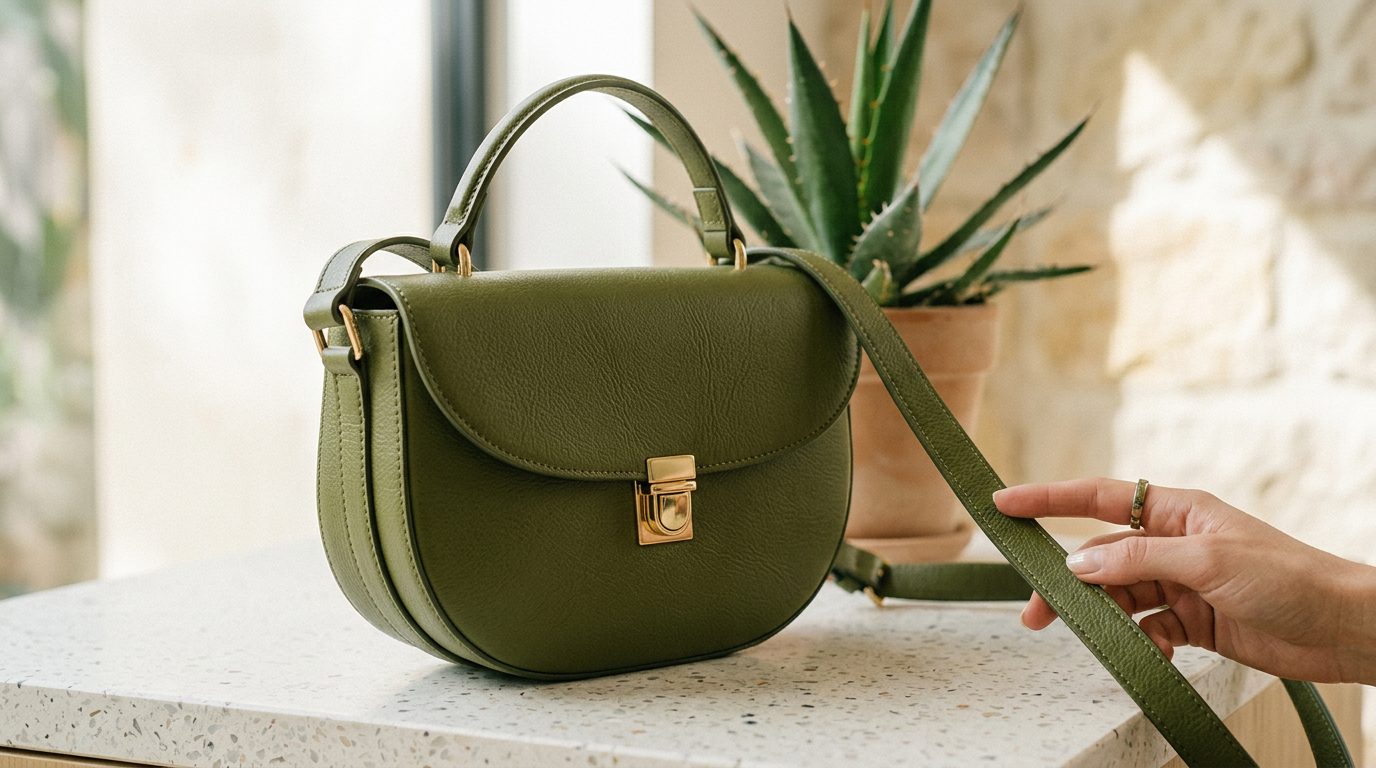
When shopping, always check the product description for specific material details, as the term "vegan leather" can sometimes refer to traditional PU or PVC synthetics. Look for "Piñatex," "Mylo," "Desserto," "apple leather," or similar explicit mentions to ensure you're getting the truly innovative plant-based materials. The fashion industry is evolving quickly, so keeping an eye on sustainable fashion news outlets and brand announcements is the best way to stay informed about new product releases.
The Future is Growing: Challenges and Opportunities
The burgeoning field of plant-based leathers, while incredibly promising, is not without its challenges. The primary hurdles include scalability, cost reduction, and ensuring 100% biodegradability or recyclability at a material's end-of-life. Many of these innovative materials still rely on some synthetic binders or coatings (such as PU) to achieve desired performance characteristics like water resistance and durability. While this is often a significant improvement over purely synthetic options or traditional leather, the ultimate goal for many innovators is a fully bio-based and circular material.
Research and development are vigorously pushing these boundaries:
- Next-generation coatings: Efforts are underway to develop fully bio-based, compostable, or easily recyclable coatings and binders.
- Expanded feedstock: Exploring new agricultural waste streams or fast-growing plants as sources.
- Biomimicry advancements: Further understanding natural structures to create materials with superior inherent properties.
The opportunities, however, far outweigh the challenges. The market for sustainable materials is expanding exponentially, driven by consumer demand and regulatory pressures. According to a report by Grand View Research (2022), the global vegan leather market size was valued at USD 33.0 billion in 2021 and is expected to grow at a compound annual growth rate (CAGR) of 49.9% from 2022 to 2030, highlighting the massive potential of this sector.
- Reduced Environmental Impact: Alleviating pressure on land, water, and reducing greenhouse gas emissions.
- Ethical Sourcing: Eliminating animal cruelty from fashion supply chains.
- Innovation & Job Creation: Fostering new industries and skilled jobs in biomaterials and sustainable manufacturing.
- Brand Differentiation: Offering brands a clear pathway to demonstrate their commitment to sustainability.
Governments in regions like the European Union and the UK are also implementing stricter regulations on material transparency and environmental impact, further incentivising brands to adopt more sustainable options. The shift to plant-based fashion is not a fleeting trend but a fundamental recalibration of how we interact with materials, promising a more sustainable, ethical, and innovative future for the industry. The collective efforts of scientists, designers, and consumers are paving the way for a truly revolutionary change in our wardrobes.

Editor's note: this article is informational, not medical advice.