American · dinner
Creamy Vegan Mac and Cheese
Comforting mac and cheese with a velvety sauce made from potato, carrot and cashews. Nut-free option included.
Jump to recipe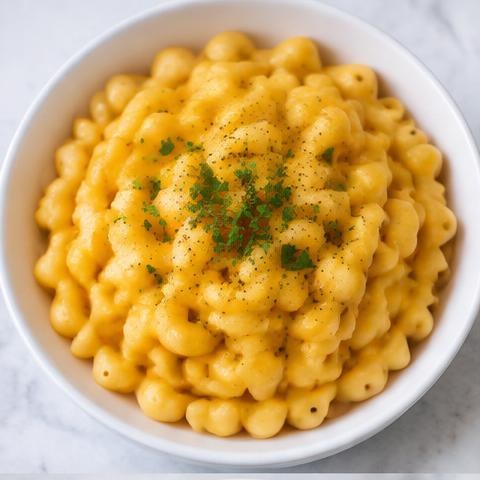
- Prep
- 10 min
- Cook
- 20 min
- Prep + cook
- 30 min
- Serves
- 4
Soaking, resting, cooling and chilling may take extra time; see the cooking guide below. Approximately 510 kcal per serving, excluding optional sides and toppings.
Ingredients
Method
- Boil the potato, carrot and cashews together for 12–15 minutes until the potato is very soft.
- Cook the macaroni in salted water until al dente, then drain.
- Drain the vegetables and blend with the plant milk, nutritional yeast, lemon, mustard and spices until completely smooth.
- Pour the sauce over the pasta and stir over low heat for 1–2 minutes until creamy. Season with salt.
Cook's notes
- For a baked version, top with breadcrumbs mixed with olive oil and grill for 3 minutes.
Why this recipe works
This creamy vegan mac and cheese achieves a luscious, velvet-like consistency without dairy by relying on a base of starchy vegetables and nuts. The potato provides body and creaminess, the carrot contributes a subtle sweetness and an appetizing golden hue, while the cashews offer the necessary healthy fats for a rich mouthfeel. By boiling these components together, you soften them perfectly for a silky emulsion in the blender.
The flavor profile is balanced by the combination of nutritional yeast, which delivers a savory umami punch similar to aged cheddar, and Dijon mustard, which adds the necessary acidity and depth to cut through the starch. Lemon juice serves as a bright contrast, mimicking the tang typically found in cultured dairy sauces. This foundation creates a sauce that clings to every nook and cranny of the macaroni for a truly comforting experience.
Preparation is efficient, taking only 10 minutes of active work and 20 minutes of cooking time, excluding the initial vegetable boiling period. Because the sauce is emulsified, it does not rely on flour-based roux, meaning it is naturally easier to manage without the risk of lumpy flour pockets. It is a reliable recipe that yields 4 generous servings, making it ideal for quick weeknight dinners or family gatherings where plant-based comfort food is requested.
Total time management involves boiling the vegetables and pasta concurrently. Ensure you have your blender ready before finishing the vegetable boil, as the heat helps maintain a smooth texture during blending. This recipe works because it leverages the natural thickening power of starches rather than processed vegan cheese shreds, resulting in a cleaner flavor profile that feels wholesome while satisfying the cravings associated with classic mac and cheese.
Ingredient choices and preparation
The macaroni should be high-quality durum wheat semolina, which holds its shape well under heat. Boiling it until al dente is crucial; it will absorb some moisture from the sauce, so if it is cooked too soft initially, the final dish may become mushy. If you are serving individuals with specific dietary needs, check the label of your plant milk to ensure it is unsweetened and unflavored, as vanilla or sweetened varieties will ruin the savory profile.
Cashews must be raw rather than roasted or salted to maintain a neutral flavor base. If you opt for white beans as a nut-free substitute, ensure they are rinsed thoroughly if canned to remove excess sodium and starchy aquafaba, which can cloud the sauce. The potato and carrot need to be peeled and chopped into uniform, small cubes; this ensures they cook at the exact same rate, preventing under-cooked potato chunks that would create a grainy texture in the final sauce.
Nutritional yeast is non-negotiable for the cheesy flavor; choose fortified or unfortified varieties based on preference, but ensure they are the yellow flake type rather than brewer's yeast, which is overly bitter. Onion and garlic powder provide the savory foundation without the sharp crunch of raw alliums, making this kid-friendly. Dijon mustard should be smooth, not grainy, to ensure the sauce remains visually consistent and refined when tossed with the hot pasta.
Regarding liquid, 250ml of plant milk is the standard, but have an extra splash on hand. Different blender types and vegetable moisture levels vary, so you might need slightly more liquid to reach the desired consistency. Salt should be added gradually; start with a pinch and taste the sauce before mixing it with the pasta, as the salt content in the pasta water and the vegetable boil will vary significantly.
Equipment and kitchen setup
A high-speed blender is the most essential tool for achieving that characteristic velvety finish. If you are using a standard blender, you may need to run it for longer, perhaps stopping to scrape down the sides once or twice to ensure no cashew or vegetable bits remain. For the boiling stage, a large pot is necessary to hold 350g of dry pasta, while a separate medium saucepan is sufficient for the vegetables and cashews.
A colander for draining the pasta and a slotted spoon to retrieve the boiled vegetables are standard. When draining the vegetables, it is beneficial to reserve about a quarter cup of the cooking water; this starchy water is an excellent secret ingredient if the sauce appears too thick. Measuring cups and spoons are needed for the precise balance of spices, as the ratios of nutritional yeast and mustard are calibrated specifically for this yield.
When blending hot liquids, always use caution. Remove the center cap of the blender lid and cover it with a thick kitchen towel to allow steam to escape while preventing hot splashes. If you lack a high-speed blender, consider soaking your cashews in hot water for an hour beforehand, even though they will be boiled, to guarantee a completely smooth result that rivals traditional dairy-based cheese sauces in texture.
Use a silicone spatula to fold sauce into the macaroni without breaking it. For the browned topping, choose a dish explicitly rated for a grill or broiler, preferably suitable metal. Ordinary oven-safe glass is not necessarily broiler-safe and can shatter under direct heat. Keep the finished pasta over low heat while combining the sauce, and stir frequently so the potato-based mixture does not stick.
Cooking technique in detail
The process begins with the vegetable boil, which serves two purposes: softening the produce for blending and creating a concentrated base. The potato and carrot need to reach a fork-tender stage where they offer zero resistance. The cashews, when boiled alongside, hydrate fully, which is vital for the emulsion. Do not drain the vegetables until they are truly soft, as firm bits will prevent the sauce from achieving a creamy, sauce-like viscosity.
While the vegetables boil, cook the macaroni. Timing is essential here; aim to have the pasta finished right as the sauce is blended. Once the sauce is pureed, it should be thick yet pourable. Add the sauce to the pasta in the same pot you used to boil the noodles, ensuring it is off the heat initially. Toss vigorously to coat every piece of pasta before turning the burner to a very low flame to thicken it slightly.
The final minute of cooking is the critical sensory phase. You are looking for the sauce to cling to the macaroni, becoming glossy and slightly sticky. If the sauce looks too thick or pasty at this stage, add a tablespoon of reserved pasta water or plain plant milk to adjust. This final heating step is crucial because it ensures the starches in the sauce bond with the pasta for a cohesive dish.
Nutritional yeast contributes savoury flavour, while lemon juice and mustard supply acidity and salt enhances the seasoning. Together these can suggest some characteristics of cheese; no special chemical reaction is required. Taste after the final stir and adjust gradually. Add plant milk if the sauce becomes too thick. A smooth coating is more useful as a final cue than a particular shade of yellow.
What to look for
Boiling vegetables
The potato cubes must be fork-tender and yield completely when pressed against the side of the pot.
Blending
The sauce is ready when it is completely opaque, smooth, and has a thick, velvety pouring consistency.
Final mixing
The sauce should coat the macaroni evenly, appearing glossy and clinging to the pasta without any runny pooling.
Baking (optional)
The breadcrumbs turn a light golden brown and the edges of the pasta begin to sizzle slightly.
Serving ideas and variations
Serve immediately for the best texture, as plant-based sauces containing starch and nuts can thicken significantly as they cool. For a classic presentation, serve in wide, shallow bowls and garnish with fresh chopped chives or parsley to provide a pop of color and a fresh, herbaceous contrast to the rich, creamy sauce. You might also consider a sprinkle of black pepper or red pepper flakes for a subtle heat.
For a crunchy topping, transfer the hot pasta to a broiler-safe metal pan or another dish expressly rated for direct grill heat. Mix breadcrumbs with olive oil and optionally garlic powder, then sprinkle over the pasta. Grill briefly, watching continuously, until the crumbs are golden. The three-minute estimate depends on the distance from the heat. Do not use ordinary glass under the grill, and use oven gloves when removing the pan.
If you want to add more nutritional density, stir in some steamed broccoli florets or sautéed kale during the final mixing phase. These greens integrate well and provide a boost of fiber. You can also experiment with toppings like crispy fried onions or a drizzle of truffle oil for a more sophisticated dinner presentation. Keep toppings simple to ensure the delicate balance of the sauce remains the star of the dish.
For a heartier meal, serve alongside a light arugula salad dressed with a simple balsamic vinaigrette. The acidity of the greens acts as a palate cleanser against the dense, savory macaroni. Regardless of the add-ins, the core sauce is designed to be versatile, so feel free to personalize the final garnish based on what you have in your pantry, provided you maintain the richness of the base.
Make ahead, storage and reheating
While this dish is best eaten fresh, leftovers can be stored. Transfer the mac and cheese to an airtight container and refrigerate promptly within two hours of cooking. It will last for up to 3 days in the refrigerator. Note that the sauce will thicken significantly as it sits, as the starches in the potato and pasta continue to absorb moisture; this is a natural characteristic of the ingredients used.
To reheat leftovers, add a splash of plant milk to the container before heating. Reheat on the stovetop over low heat, stirring constantly until the sauce returns to a creamy consistency and the internal temperature reaches 74 C. Alternatively, use a microwave at medium power, stirring every 30 seconds to ensure even heating. Do not overheat, as the cashew and potato starch can become gummy if subjected to excessive temperature for too long.
Freezing is not recommended for this recipe. The structure of the potato-based sauce, when frozen and thawed, tends to break down, resulting in a grainy or watery separation that is difficult to emulsify back into a smooth sauce. If you must prepare ahead, you can boil the vegetables and blend the sauce 24 hours in advance, keeping the sauce stored separately from the freshly cooked pasta, then combine them when ready to serve.
When handling cooked leftovers, ensure the storage container is fully cooled before sealing, but place it in the refrigerator immediately. If you have baked the dish with breadcrumbs, the topping will lose its crispness when stored, so it is better to add the breadcrumb topping only at the moment of final reheating if you intend to consume the dish over multiple days. This maintains the texture and quality of the final result.
Nutrition and allergen notes
The listed 510 calories per serving is an unverified approximate figure. Pasta contributes carbohydrates; cashews provide fats and protein; carrot contributes beta-carotene. Nutritional yeast has varying B-vitamin content, and B12 is only dependable when the product is fortified and its label confirms the amount. This dish is not automatically more nutritious than another macaroni recipe. Serving size, toppings and brands determine its nutritional contribution.
Regarding allergens, this recipe contains wheat (in the macaroni) and tree nuts (cashews). The nut-free substitution using white beans effectively removes the tree nut allergen but does not affect the wheat content. If gluten is a concern, simply swap the macaroni for a high-quality gluten-free alternative, such as a brown rice or corn-based pasta, ensuring it is cooked until just tender to avoid falling apart during the final sauce mixing step.
Soy content depends on the plant milk, mustard and other packaged ingredients selected; soy milk contains soy even without added lecithin. A vegan formulation has no dietary cholesterol, but suitability for a particular health goal depends on sodium, saturated fat, portions and the overall diet. For a milk allergy, verify ingredient labels and prevent cross-contact. A plant-based label alone is not a guarantee against traces of allergens.
Please be aware that while cashews are the standard choice, they are classified as tree nuts. Those with nut allergies must use the white bean substitution. Always verify the ingredients of the plant milk used, as some products may contain allergens like sesame or soy that are not inherent to the recipe. By using simple, whole-food ingredients, you can easily control the potential allergen profile of the final meal to suit your family's needs.
Ingredient substitutions
- Raw cashews → White beans
- Use 1/2 cup of rinsed, canned white beans and omit the soaking/boiling time for the nuts; blend directly with the cooked vegetables.
- Macaroni → Gluten-free pasta
- Ensure the pasta is made from brown rice or corn and monitor cooking time strictly to avoid overcooking and mushy results.
- Plant milk → Vegetable broth
- Use equal parts broth; note that this will result in a slightly more savory, lighter sauce but will lack the creamy mouthfeel of milk.
- Dijon mustard → Apple cider vinegar
- Use 1/2 teaspoon of vinegar to replace the acidity of the mustard, though the depth of flavor will be less complex.
Troubleshooting
Sauce is grainy
Cashews were not blended long enough or vegetables were not boiled until soft enough.
Continue blending on high speed or add a splash of water and blend for another 30 seconds.
Sauce is too thick
The starch in the potato absorbed too much moisture or the pasta absorbed the sauce too quickly.
Whisk in one tablespoon of warm plant milk or pasta water at a time until the desired consistency is restored.
Lacks 'cheesy' flavor
Insufficient nutritional yeast or lack of salt.
Add one teaspoon more of nutritional yeast and a pinch of salt, tasting as you go to calibrate the balance.
Sauce separates
Too much heat or the mixture was left to sit too long before serving.
Re-blend the sauce if possible or stir vigorously with a small amount of liquid to re-emulsify the fats.
Recipe questions
Can I prepare the sauce in advance?
Yes, you can blend the sauce up to 24 hours in advance. Store it in an airtight container in the refrigerator. When ready to serve, reheat the sauce gently on the stove over low heat, adding a splash of plant milk to loosen it before tossing it with your freshly cooked pasta. Do not freeze the sauce, as the texture will degrade significantly upon thawing due to the starch content.
Does this recipe taste exactly like dairy cheese?
It is designed to mimic the comforting qualities of dairy mac and cheese using whole-food ingredients. The combination of nutritional yeast, lemon juice, and Dijon provides the necessary umami and acidity to satisfy cheese cravings. While it does not taste identical to aged cheddar, it captures the creamy, savory essence that many people look for in a vegan comfort dish, offering a delicious and satisfying alternative without using processed vegan shreds.
Is the potato necessary in this recipe?
The potato is essential for the texture. It provides the heavy starch needed to create a thick, creamy emulsion that coats the pasta perfectly. If you omit the potato, the sauce will be thin, watery, and lack the signature body of a classic mac and cheese. Replacing it with other ingredients would require significant changes to the liquid ratios and would likely not yield the same smooth, satisfying mouthfeel.
Why did my pasta become mushy after mixing?
Pasta becomes mushy if it is overcooked during the initial boil or if it is stirred too aggressively during the final sauce mixing. Always aim for al dente, which means cooking it for one minute less than the package instructions. When you combine the sauce and pasta, use a gentle folding motion with a silicone spatula to coat the noodles without breaking them down, keeping the dish's texture intact and firm.
How long does the vegetable boiling stage actually take?
The boiling stage takes 12 to 15 minutes. You must monitor the pot to ensure the potato cubes are completely tender. You should be able to mash them easily with a fork. It is important to boil the cashews or beans alongside the vegetables so they also reach maximum softness, which is the key to achieving a perfectly smooth, lump-free sauce in your blender. Do not rush this specific stage.
Replace the job, not just the ingredient
An egg can bind a burger, enrich a cake or create the foam in a meringue. Those jobs need different substitutes: ground flaxseed can help with binding, while aquafaba is useful for whipping.
Review the rewritten method as well as the ingredient list. Changing the amount of liquid, the cooking temperature or the resting time can matter as much as the substitute itself.
- A practical example
- For a creamy pasta, try unsweetened plant cream or blended silken tofu; add acidity and seasoning to taste rather than relying on a cheese substitute alone.
- What to keep in mind
- Substitutions can change allergens, texture and nutrition. Test a small batch before making a dish for guests.
Plan around the week you actually have
Begin with your busiest evenings and choose quick meals for those days. Use slower recipes when you have time, and let overlapping ingredients connect meals rather than planning seven unrelated shopping trips.
Check your pantry before shopping. Choose a protein source, a grain or other starchy food, and vegetables for each main meal; then adjust portions and leftovers for the people eating.
- A practical example
- Roast vegetables for dinner, use the remaining vegetables in a chickpea bowl, and turn spare rice into a quick tofu stir-fry.
- What to keep in mind
- A plan is a starting point, not a prescription. Check food-storage advice and adjust it for allergies, appetite and dietary needs.
Read the pattern, not just one number
Portion size, brand and preparation method change the numbers in a food log. Check whether an entry describes cooked or dry food, and choose the closest match to what you actually ate.
Look across several days rather than judging one meal. Protein and fibre matter, but so do reliable sources of vitamin B12 and attention to calcium, iodine and vitamin D in a plant-based diet.
- A practical example
- For a lentil bowl, log the cooked lentils, grain, dressing and toppings separately when their amounts are known.
- What to keep in mind
- Food logs are estimates and may not capture every nutrient. Supplement needs and targets should be discussed with a qualified professional when appropriate.